Most Minnesota homeowners get the best results installing seamless gutters from late July through early October—after summer storms settle and before peak leaf drop and hard freeze.
Key takeaways
- Late summer–early fall (roughly mid-August through early October) is the sweet spot for new seamless gutter installation in the Twin Cities.
- Spring works for repairs and storm damage, but soft ground and leftover ice can slow a full install.
- Mid-winter installs are rare: ice, snow load, and unsafe roofs make quality hangers and pitch harder to guarantee.
- Typical Twin Cities market average for seamless aluminum (2026): $8–$14 per linear foot installed; a 150–200 lf ranch often lands around $1,400–$3,800—final price depends on run length, stories, fascia condition, and roof type; free on-site measure.
- Book before leaf season if you also want gutter guards (micro-mesh / stainless steel mesh on an aluminum frame) so the system is ready for oak and maple drop.
Why late summer and early fall win in Minnesota
Minnesota’s climate packs freeze–thaw cycles, heavy snow, and short dry windows. Crews need stable temps for sealants, dry fascia for hangers, and safe ladder days. From mid-August through early October you usually get that mix: roofs are clear of ice, rain is manageable, and you’re ahead of the leaf dump that clogs open troughs.
Install then and your system sees its first real test in fall rains—with time to tweak outlets and downspout throw before the ground freezes. That same window overlaps reroof season on many 1990s–2000s homes; if asphalt is due, ask for a combined lift so you’re not paying a second scaffold trip after the first ice season. EaveX handles gutters and roofing under one Minnesota license (BC808261).
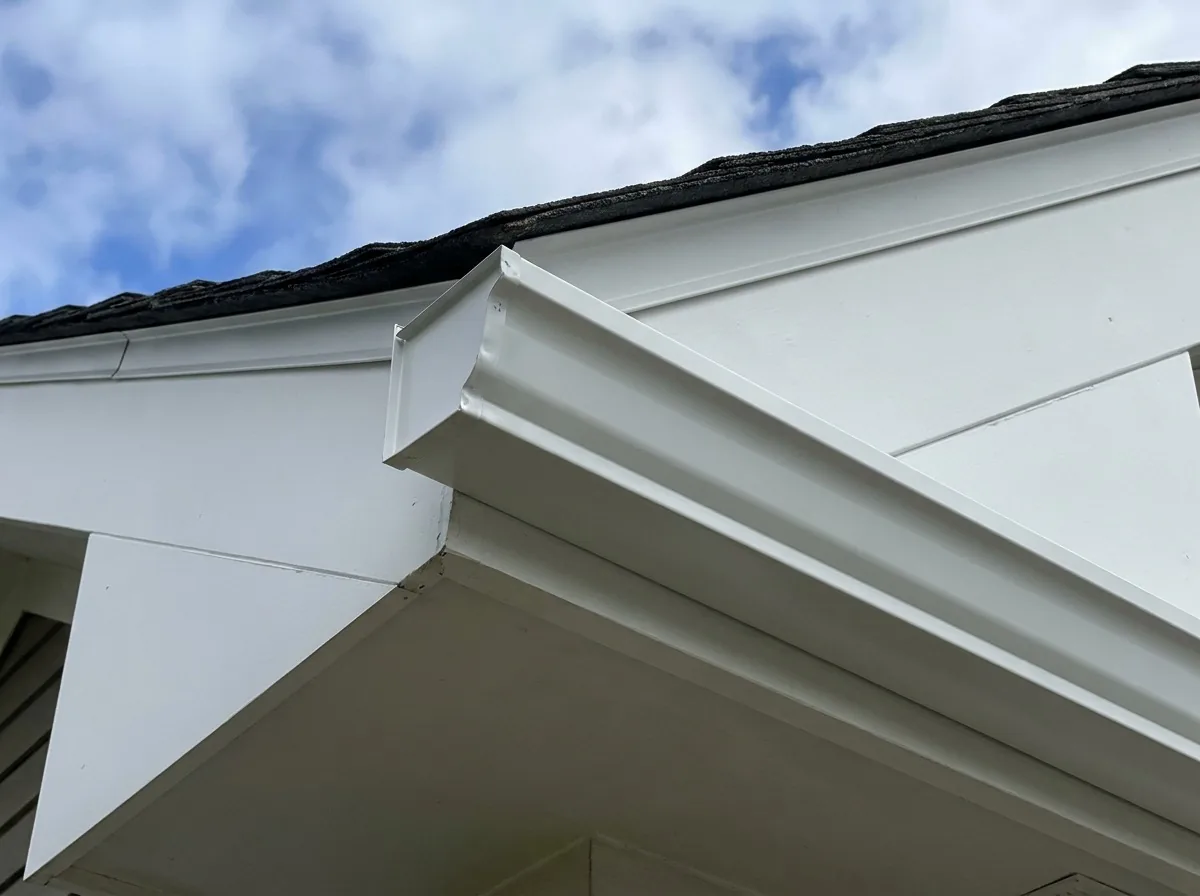
Month-by-month install calendar (Twin Cities)
Use this as a planning calendar, not a hard ban on other months. Weather windows shift year to year.
| Window (2026) | Install quality | Notes for homeowners |
|---|---|---|
| Jan–Mar | Poor–fair | Ice dams, snow, unsafe eaves; emergency repairs only |
| Apr–May | Fair–good | Good for gutter repair vs replacement decisions after winter damage |
| Jun–mid-Jul | Good | Storm season; schedule after big wind/hail if fascia is sound |
| Mid-Jul–Sep | Best | Mild days, dry fascia, ahead of leaf load |
| Early–mid Oct | Very good | Last clean window before freeze; book early |
| Late Oct–Dec | Fair–poor | Leaf sludge, early ice; cleaning/winterization over new installs |
If you’re reading this in August, you’re in the high-value window—especially in suburbs with mature oaks and maples around Maple Grove, Plymouth, and Albertville.
What “good install weather” actually means
A solid Minnesota install needs more than a sunny forecast. Fascia should be dry enough for hangers to bite; sealant needs temperatures in the manufacturer’s range (often roughly 40°F+ and rising); and pitch toward outlets has to be set without frozen debris in the trough.
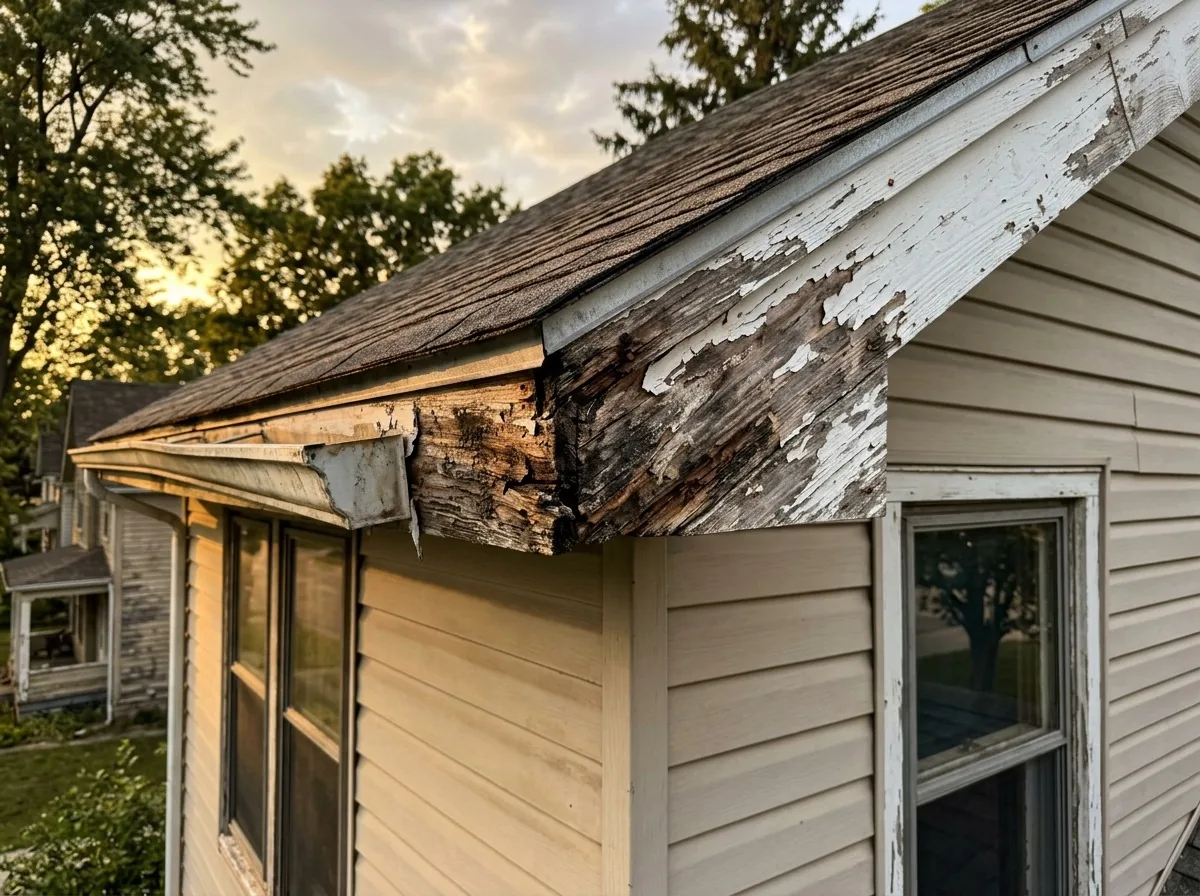
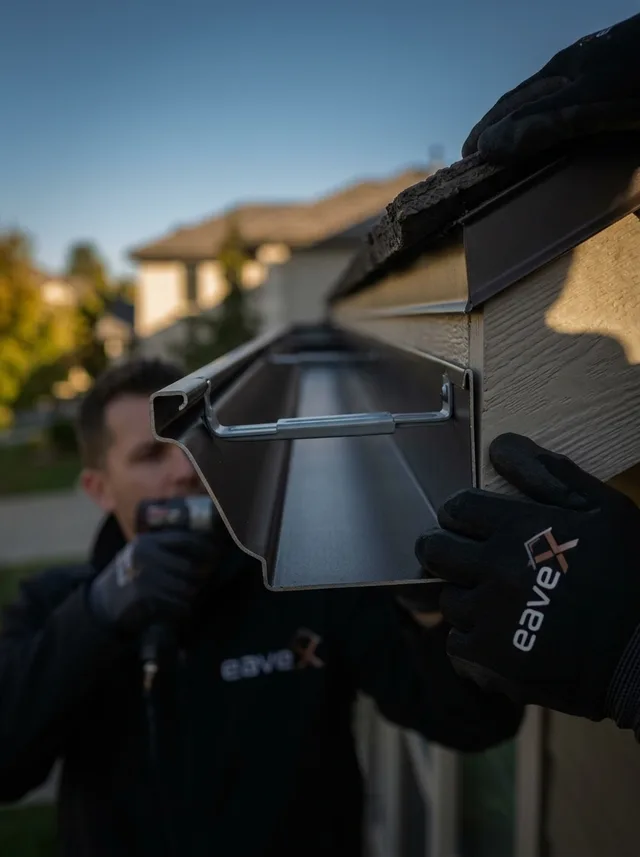
Hidden hangers every ~24–36 inches, correctly sized outlets, and downspouts that throw water 4–6 feet from the foundation matter more than the calendar date. If fascia is soft or paint is failing, fix boards first—see fascia and soffit damage repair in Minnesota—or the new gutter will pull away after the first ice season.
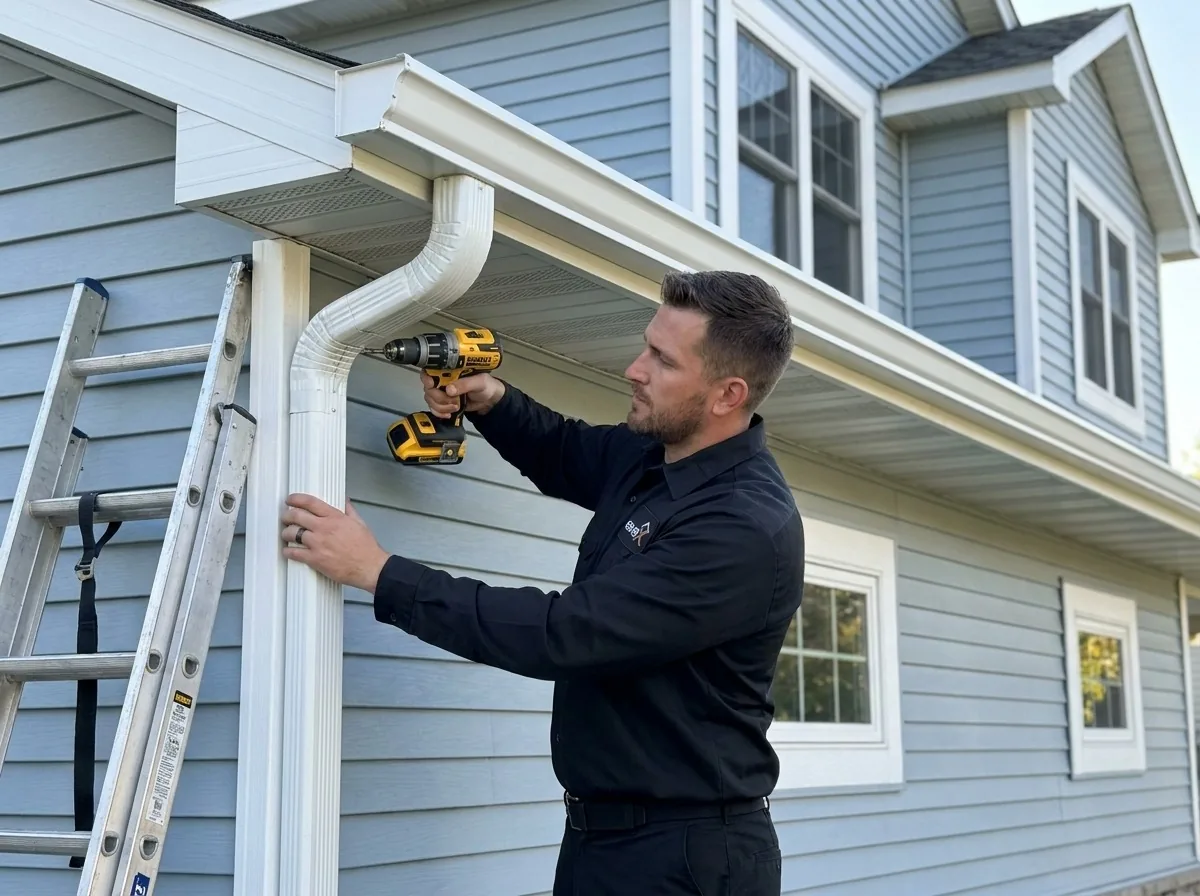
Spring installs: when they still make sense
Spring is the right season if winter already failed your system—pulling hangers, open seams, or fascia rot you discovered at melt. A full replacement in April–May can protect the next storm round, and soft soil is a trade-off crews manage daily.
Spring is weaker if you’re only “thinking about upgrading” with no active leak. You’ll compete with repair demand, and leftover ice in shade lines can delay a clean start. If overflow is the pain, read why gutters overflow in Minnesota and decide repair vs replace before you lock a date.
Why winter is the wrong time for a full system
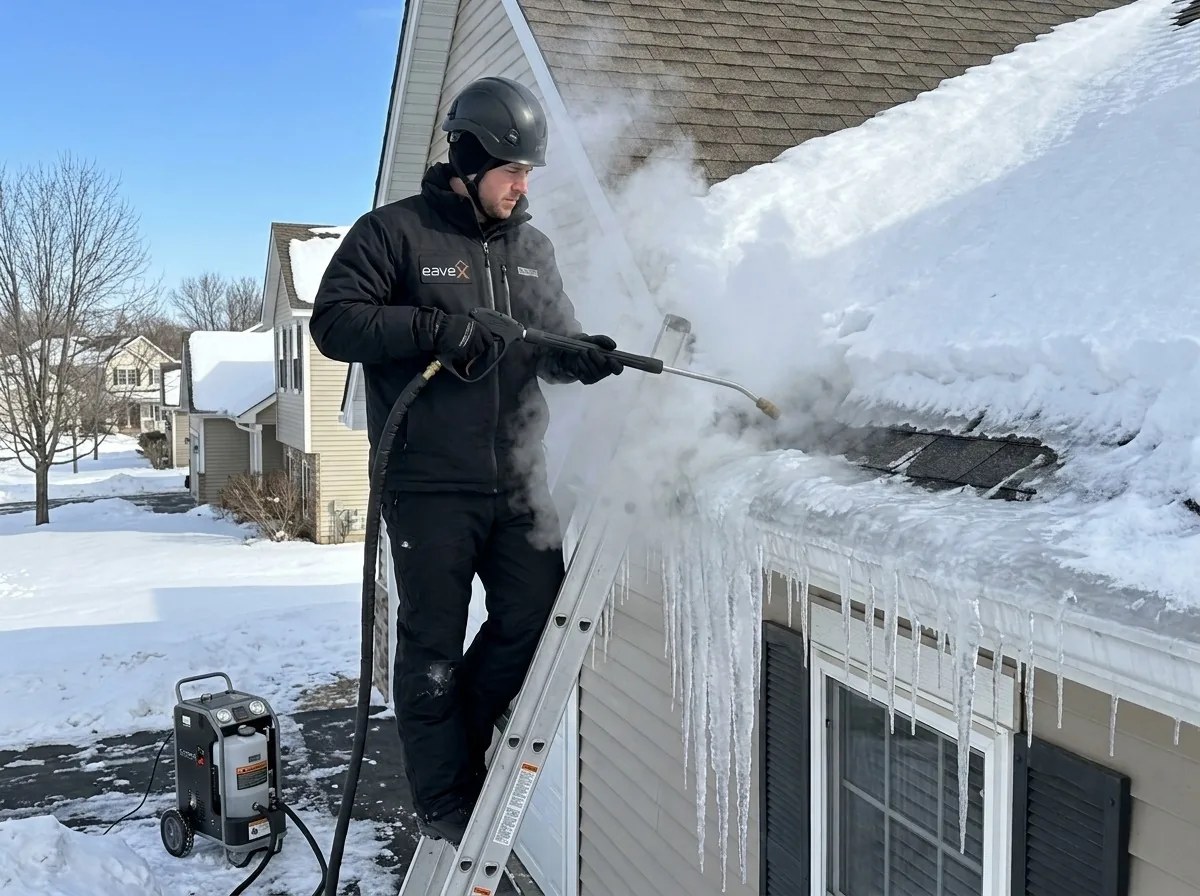
Deep winter installs fight snow on the roof edge, brittle sealants, and hangers that can’t be checked under ice. Icicles and ice dams also hide whether an old trough even needs full replacement. For ice problems, prioritize safe ice dam response and attic/ventilation checks—see ice dam prevention in Minnesota—then schedule seamless gutters for the next warm, dry stretch.
Emergency temporary measures (clear outlets, extend downspouts off ice) are fine mid-winter. A permanent one-piece aluminum run is not.
Size and profile decisions that pair with timing
While you pick a date, lock size and profile so materials arrive once. Most Twin Cities ranches do fine with 5-inch K-style; steep roofs, large valleys, or heavy oak canopy often justify 6-inch—details in 5-inch vs 6-inch gutters in Minnesota. Continuous seamless aluminum (typically 0.027–0.032-inch) beats sectional kits for Minnesota freeze–thaw; compare options in seamless vs sectional gutters.
Choosing size in August also means color-matching fascia and siding while exterior paint still looks true in daylight—not under gray November skies.
Pairing guards and cleaning with your install date
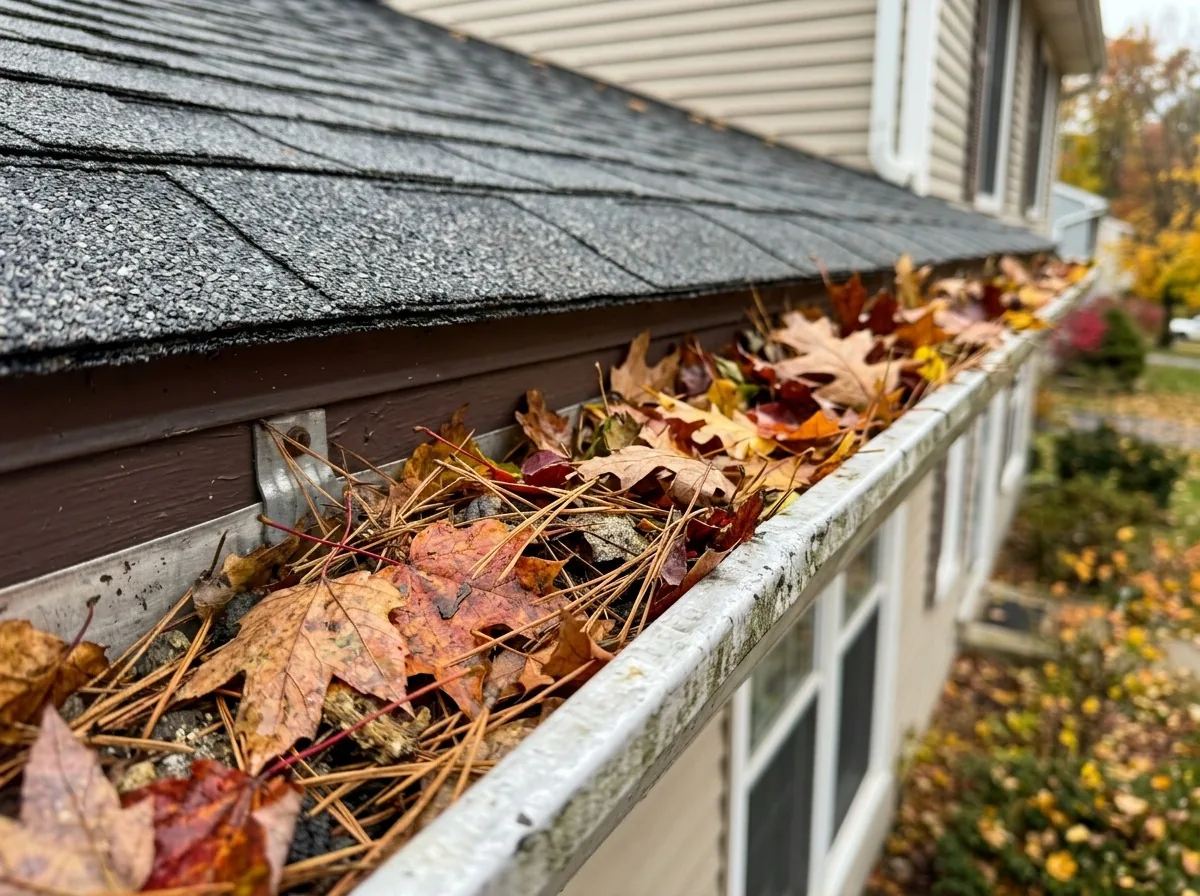
If you install in August–September, plan gutter cleaning after the main leaf drop (often late September–October in the Twin Cities), or install micro-mesh / stainless steel mesh guards at the same visit so debris sheds instead of composting in the trough.
Guards are not a magic ice-dam cure, but keeping troughs open helps meltwater move to downspouts instead of backing under shingles. For winter-specific guard behavior, see gutter guards for Minnesota snow. Typical Minnesota market average for quality mesh guards (2026) often runs about $6–$12 per linear foot add-on—final price depends on run length, stories, fascia condition, and roof type; free measure.
Cost timing: does season change the price?
Labor demand rises in the best weather windows, but material (0.027–0.032-inch aluminum, hangers, outlets) doesn’t swing as wildly as roofing asphalt. In 2026, Twin Cities market averages for seamless aluminum still cluster around $8–$14 per linear foot installed whether you book August or May—see our seamless gutter cost guide.
What does change with timing: change-order risk. Install during peak leaf season without guards and you may need an early cleaning; soft fascia in spring melt can add fascia mid-job. Late-summer booking usually means fewer weather delays—and financing is available from 0% APR (0.00–9.99%) with GreenSky, plan 6124 (not every buyer qualifies for 0%).
How long does a typical Twin Cities install take?
Most single-family homes (about 150–200 linear feet, one or two stories) finish in one day once fascia is sound and colors are chosen. Complex rooflines, three-story peaks, or full fascia replacement add time. Measure and color match usually happen on a separate short visit.
After install, put a fall check on the calendar—outlets clear, downspout extensions on, and hangers still tight—using the same logic as our prepare gutters for Minnesota winter timeline so the new system survives January.
Pre-book checklist (August–October)
Before you lock a date, walk the perimeter once:
- Note soft or peeling fascia boards and any pulling hangers.
- Count downspouts and where water currently dumps (toward the foundation is a red flag).
- Decide whether you want guards at install or a cleaning after leaf drop.
- If you’re reroofing within a year, ask about sequencing gutters with roofing so one lift covers both.
- Grab two comparable written scopes (linear footage, hanger type, outlet count)—not just a phone number quote.
Cities and scheduling notes near Albertville
EaveX is based at 5098 Main Ave NE, Albertville, MN 55301 (Wright County). We regularly schedule Maple Grove, Plymouth, and St. Michael installs in the August–October window alongside Minneapolis and St. Paul suburbs. Leaf-heavy lots and 1990s–2000s plats with builder-grade troughs are common candidates for a late-summer swap before the first hard freeze.
Ready for a free inspection?
If you want gutters on before Minnesota leaf drop and freeze-up, book a free on-site inspection now. We’ll measure runs, check fascia, and give you a clear install window—not a phone quote guessed from satellite.
Call (763) 313-8516 · Licensed BC808261 · 1,200+ projects · 5.0 rating · 13+ years in Minnesota.