Most Minnesota homes should get a full gutter cleaning in late August through mid-September—before peak leaf drop and freeze-up—so troughs and downspouts stay clear for fall storms and early snow.
Key takeaways
- Best window: late August–mid September in the Twin Cities; wooded lots may need a second pass in October.
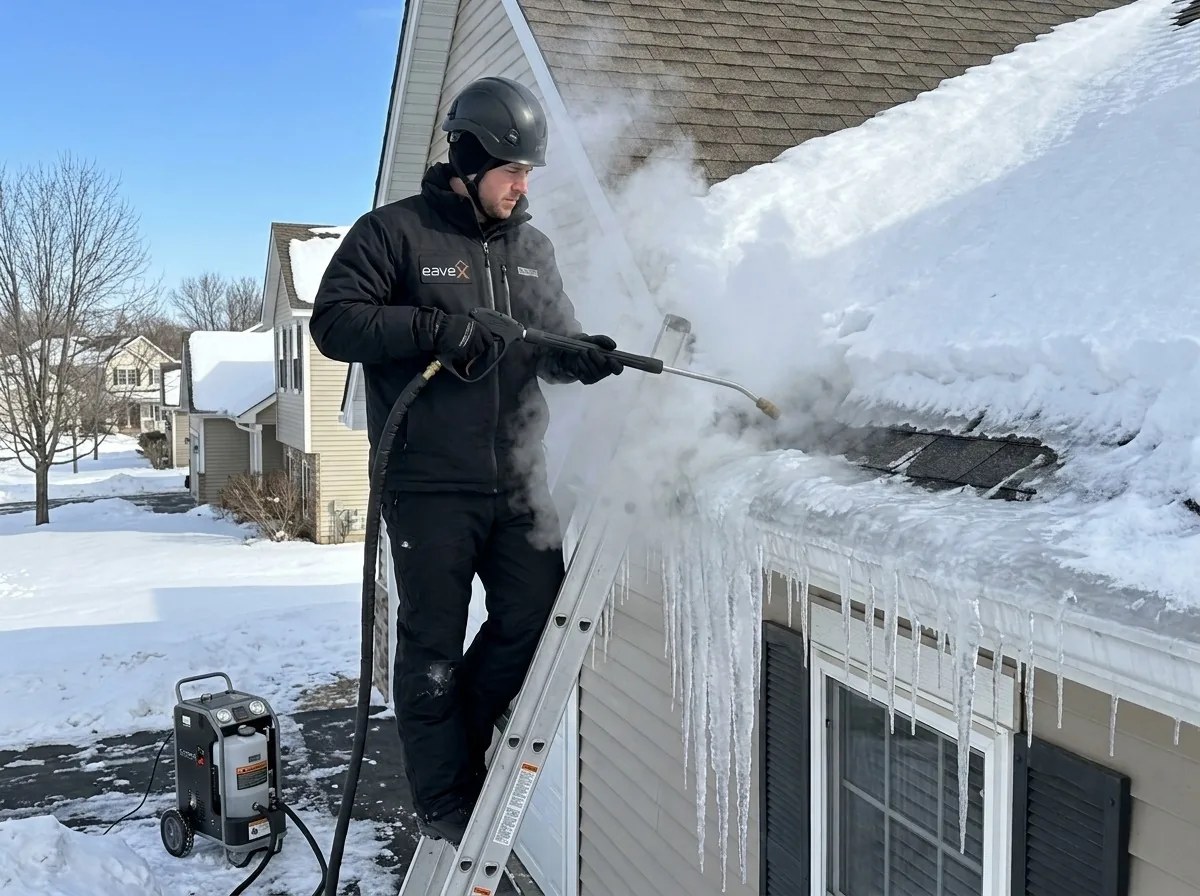
- Why it matters: clogged gutters overflow onto fascia, soak foundations, and set up ice dams once nights drop below freezing.
- Typical cost (2026): Minnesota market average $150–$350 for a standard single-family clean; steep or 2-story homes run higher.
- Guards help, they don’t erase fall work: micro-mesh still needs a seasonal brush-off of seed pods and pine needles.
- EaveX: 1,200+ projects, 5.0 rating, 13+ years, license BC808261; financing from 0% APR (0.00–9.99%) with GreenSky, plan 6124 (not every buyer qualifies for 0%).
Why fall timing is different in Minnesota
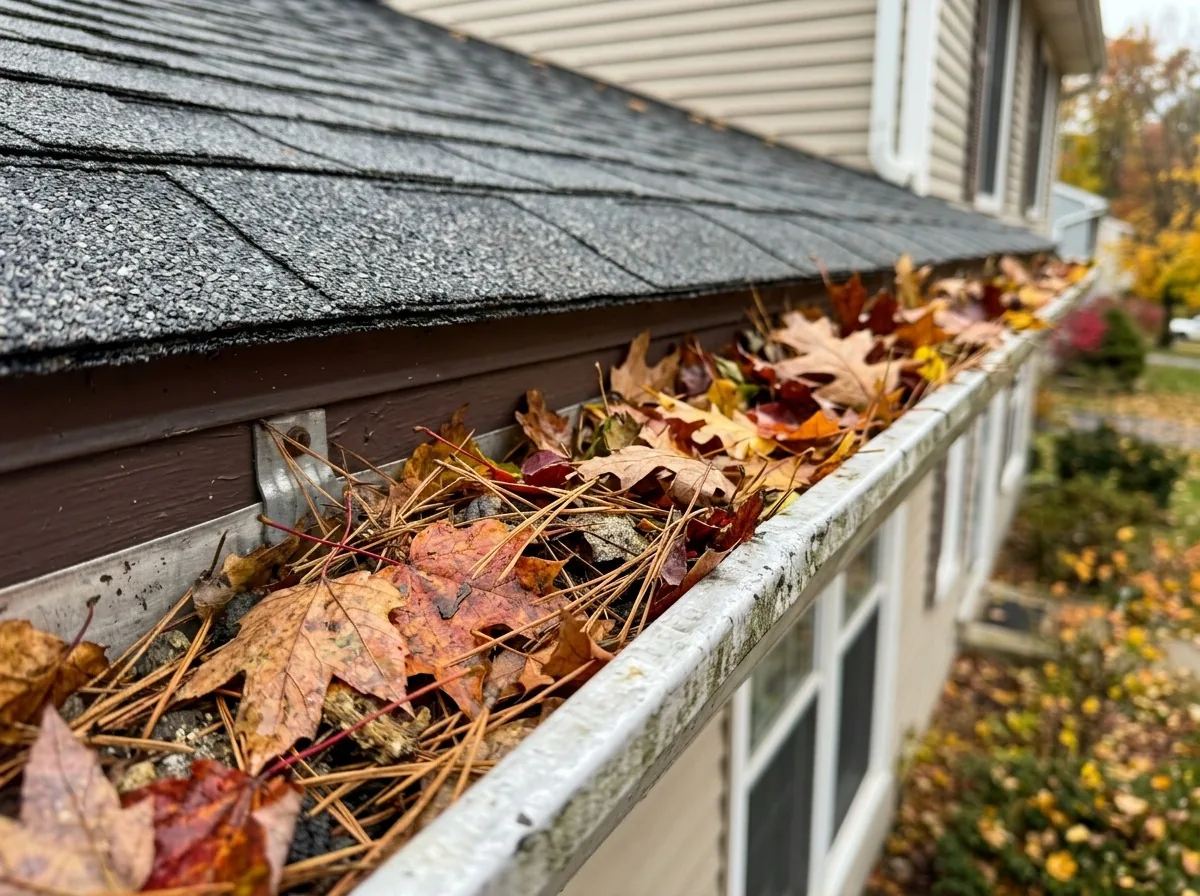
Minnesota’s leaf drop is compressed. Maples, oaks, and ash dump hard from mid-September into October, then wet snow can arrive before troughs dry out. A clean done in July is already half-full by Labor Day on a wooded lot in Maple Grove or Hanover.
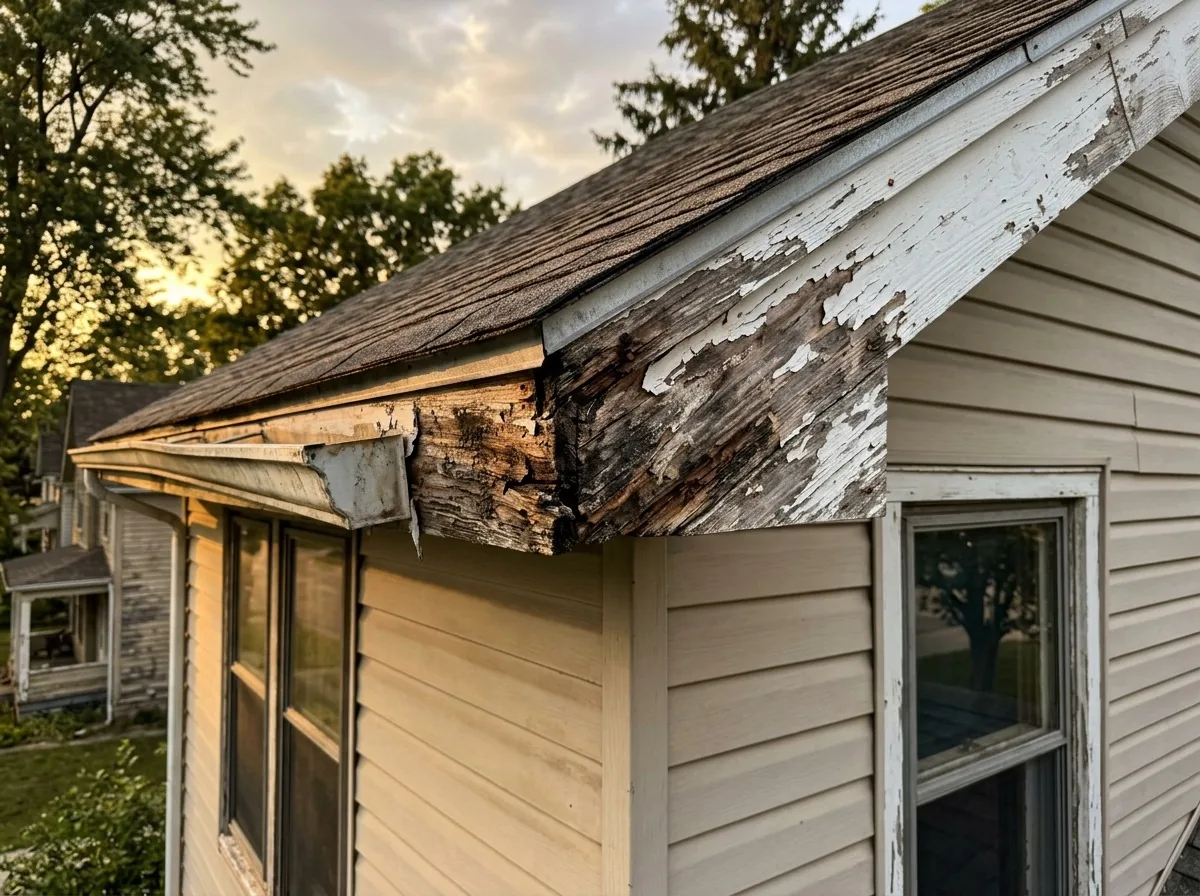
Clear troughs also protect the fascia and soffit you just painted. Overflowing fall rain is one of the fastest ways to soft-rot the board that holds your hangers—see our notes on fascia and soffit repair. NOAA-style fall storm cells push 1–2 inches in an afternoon across the metro; a packed K-style trough simply can’t move that volume to the outlet.
Best weeks to schedule a Twin Cities cleaning
Aim for late August through the third week of September for most suburbs. That window finishes after summer thunderstorm debris and before the heavy maple/oak dump. If your lot is under mature trees, book a second light flush in mid-to-late October after the bulk of leaves are down—and before overnight lows lock wet debris into ice.
Skip waiting until “after the last leaf.” By then, crews are booked, ladders ice over, and downspouts may already be packed. Homes near Albertville (our shop base) often book August/September slots first because Wright County trees drop early once nights cool. If you’re planning a new seamless gutter installation the same season, schedule the install first, then a light post-leaf brush-off once trees finish shedding.
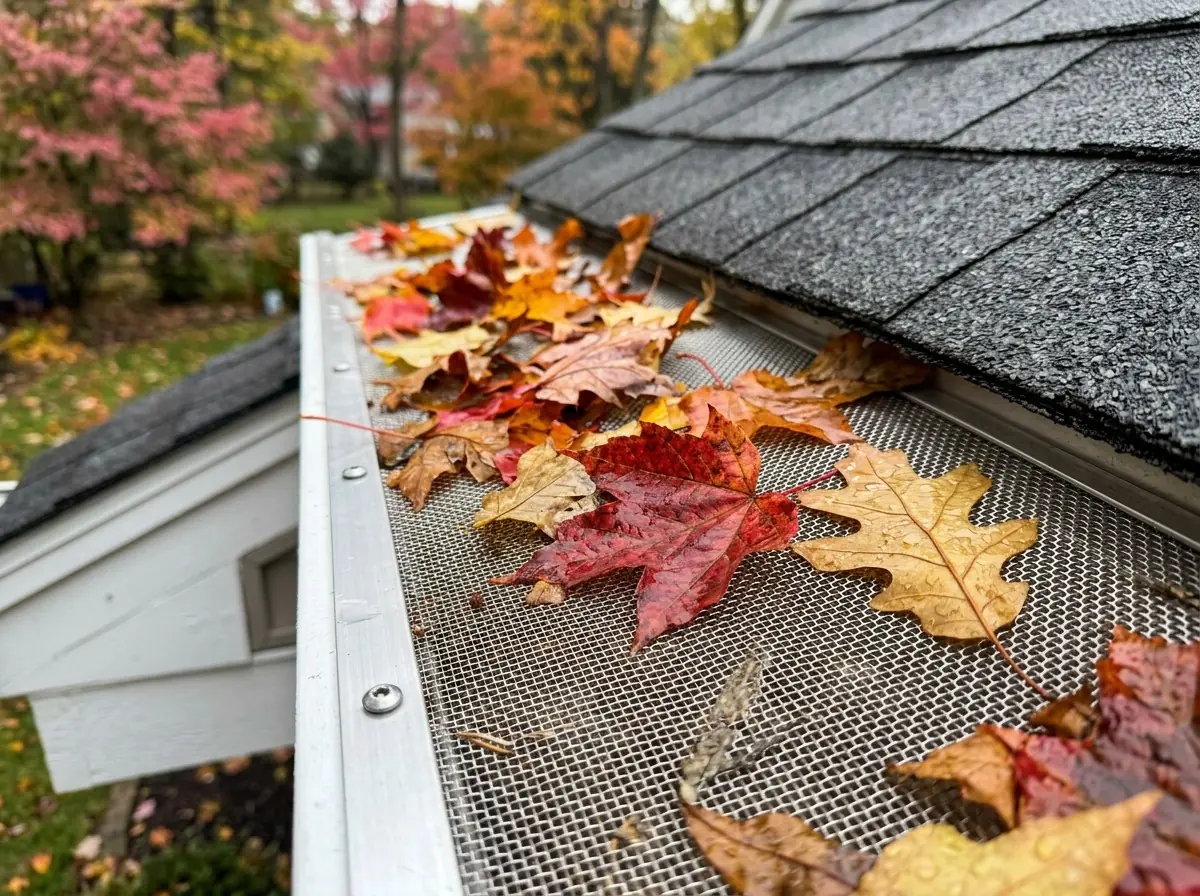
What a proper fall cleaning includes
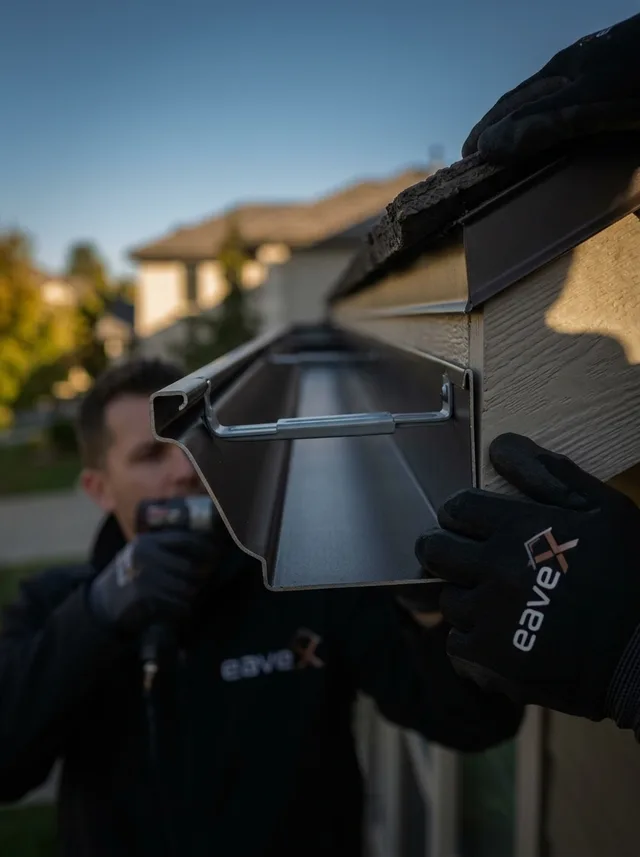
A thorough Minnesota fall clean is more than scooping the trough. Pros flush every downspout, check for reverse pitch, reseat loose end caps, and look for hanger pull-away after summer heat cycles. They also verify outlets dump 4–6 feet from the foundation so fall rains don’t pool against the basement wall.
Expect them to clear the hangers’ hidden channels where grit packs under the water line, and to test elbows with a hose so you’re not surprised during the first October downpour. If you’re comparing DIY vs a crew, remember Minnesota roofs are often 6/12–9/12 pitch with wet moss. Ladder work in wind is how fall ER visits spike. For pricing context, see how much gutter cleaning costs in Minnesota (2026) and our gutter cleaning service page.
Twin Cities fall cleaning cost ranges (2026)
These are typical Twin Cities / Minnesota market averages for 2026, not an EaveX price list. Your total depends on linear footage, stories, roof pitch, fascia condition, and how packed the downspouts are—free on-site measure for a firm quote.
| Home type (approx.) | Typical 2026 market range | Notes |
|---|---|---|
| 1-story ranch, 120–160 lf, open lot | $150–$250 | One pass late Aug–Sep |
| 2-story colonial, 160–220 lf | $220–$350 | Extra ladder / pitch time |
| Wooded lot + second October touch-up | $100–$200 add-on | Light debris only |
| Steep / hard-to-reach or metal roof | $300–$500+ | Safety gear, longer job |
Combo quotes (clean + minor repair, or clean + guard install) are common before winter. Financing on larger projects can start from 0% APR (0.00–9.99%) with GreenSky, plan 6124—not every buyer qualifies for 0%.
Signs you already waited too long
If water sheets over the front edge during a normal rain, troughs are past “a little dirty.” Look for seedlings sprouting in the gutter, algae streaks on siding below outlets, soft fascia, or basements that smell musty after storms. Those overlap with our overflowing gutters checklist and 7 signs gutters are failing.
Don’t force a clog with a garden hose from the ground—you can blow a joint open or push a nest deeper into the elbow. A shop-vac from a stable ladder or a pro flush is safer. Shingles stained black under the drip edge are another tell: water has been jumping the front lip for weeks.
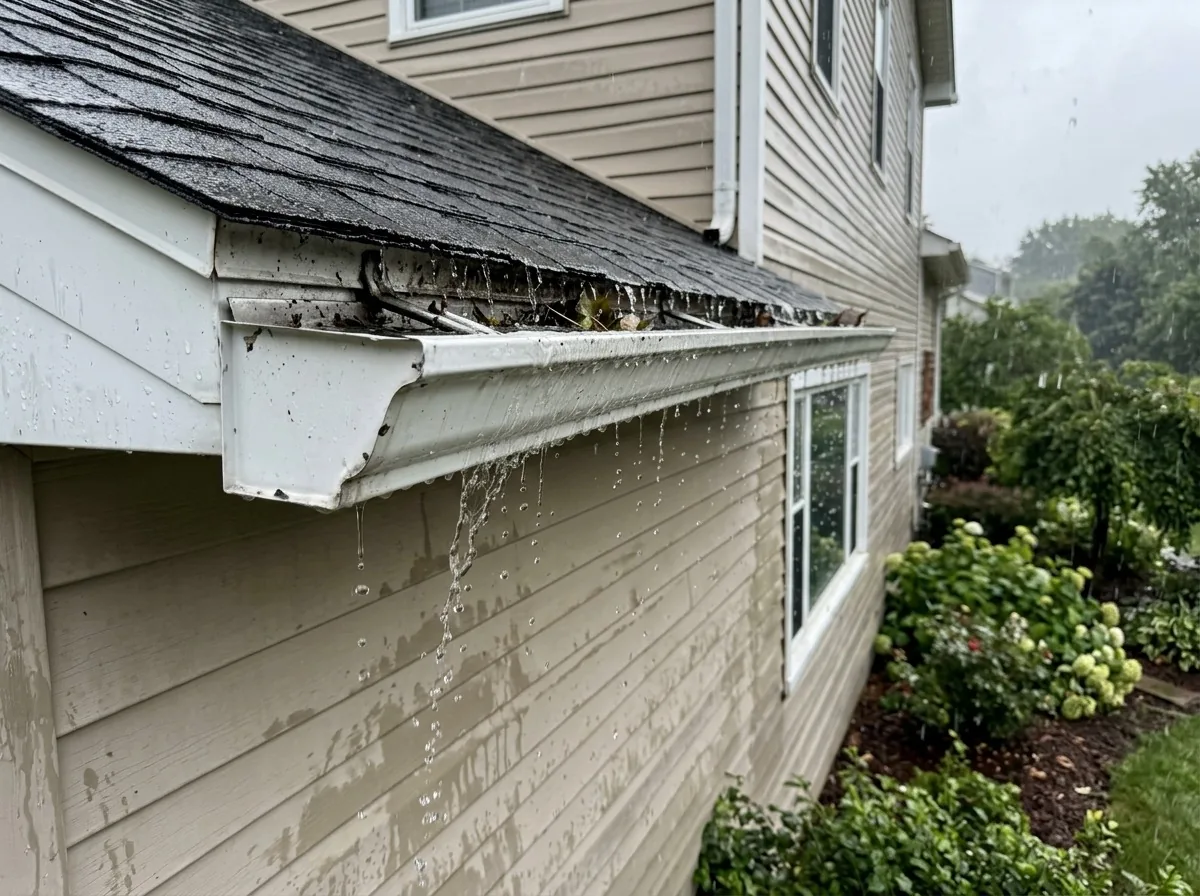
Do gutter guards change the fall schedule?
Micro-mesh, stainless steel mesh, and aluminum-frame covers cut scooping dramatically, but Minnesota cottonwood fluff, boxelder seeds, and pine needles still sit on top of the screen. Plan a brush-off once in fall (and again after spring pollen) even with guards installed. Guards are not a substitute for working downspouts or correct pitch.
If you’re choosing protection before leaf drop, start with gutter guards in Minnesota and the deeper ROI write-up are gutter guards worth it in Minnesota?. For freeze/thaw behavior specifically, see gutter guards for Minnesota snow. Typical Twin Cities guard add-ons still land roughly $8–$20 per linear foot as a 2026 market average, depending on mesh type, roof edge detail, and whether fascia needs repair first.
Fall clean vs full winterization
A fall cleaning clears organic debris and verifies flow. Winterization also checks hangers, seals miters, extends downspouts past freeze lines, and confirms attic ventilation so meltwater doesn’t refreeze at the eaves. Cleaning is the first step; full winter prep is the second—details in prepare gutters for Minnesota winter.
If troughs are rusted through, pulling away, or undersized for your roof, a clean only buys a season. Then compare repair vs replacement or shop seamless replacements while crews still have warm-weather calendar space. Undersized 5-inch troughs on a steep 2,500 sq ft roof often overflow even when “clean”—size and outlet count matter as much as debris.
DIY vs hiring a pro before leaf drop
DIY makes sense on a single-story ranch with firm soil, a stabilizer, gloves, and a buddy spotting the ladder. Twin Cities 2-stories, wet cedar decks, and power lines near the eaves are where homeowners get hurt. Pros carry hose reels, downspout snakes, and liability coverage—and they can spot soft fascia before hangers tear out in January ice.
If the system is 15–20+ years old, ask the cleaner to flag sections for replacement while you’re already paying for ladder time. Typical seamless aluminum installs in the Twin Cities still land roughly $8–$14 per linear foot for materials+labor market averages (2026), depending on size, stories, and fascia work. A 150–200 lf ranch often totals about $1,400–$3,800 on that same market basis before optional guards.
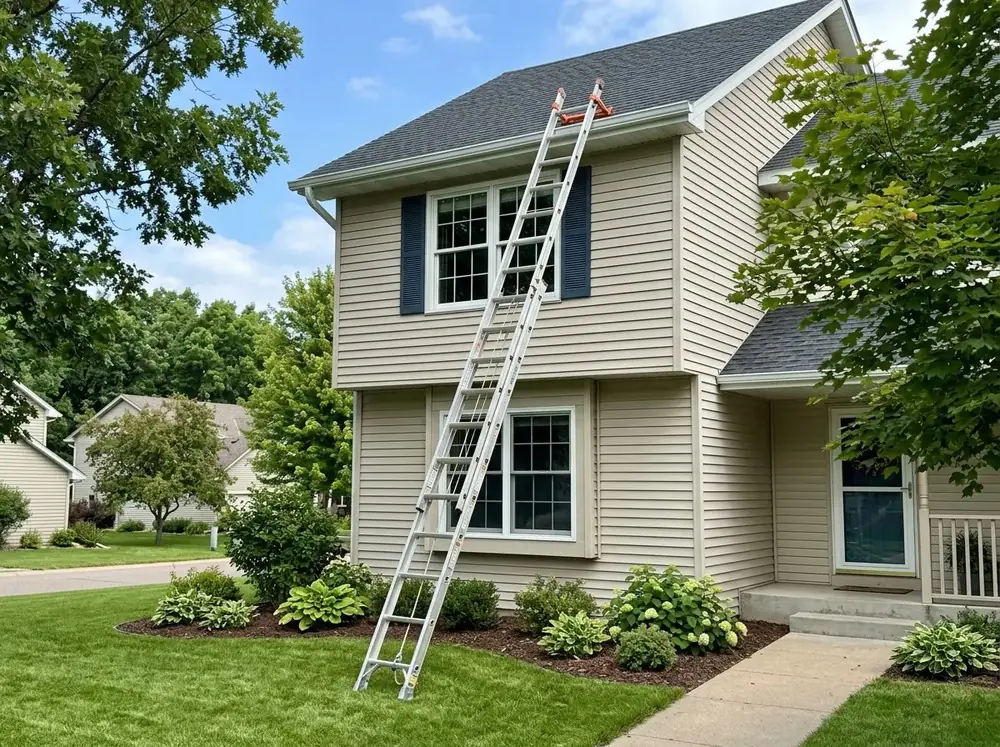
Quick fall prep checklist (print this)
Use this as a 10-minute walkaround the week you book the clean: (1) look up after a rain—any curtain overflow? (2) check soil splash lines within 2 feet of the foundation; (3) tug a downspout—loose straps mean winter ice will finish the job; (4) peek at fascia color under the trough for dark water stains; (5) confirm extenders or splash blocks still throw water 4–6 feet out. Bring photos to your free inspection so the quote covers repairs, not just scooping.
Ready for a free inspection?
If your lot is wooded and you are choosing covers vs another scoop, read install gutter guards before fall leaf drop before you book the late-October scramble.
EaveX is based at 5098 Main Ave NE, Albertville, MN 55301—license BC808261, 1,200+ projects, 5.0 rating, 13+ years across the Twin Cities. We’ll check trough fill, downspout throw, hangers, and whether micro-mesh makes sense before leaf drop.
Call (763) 313-8516 or request a free inspection online. Fall slots fill once schools start—book while nights are still above freezing.