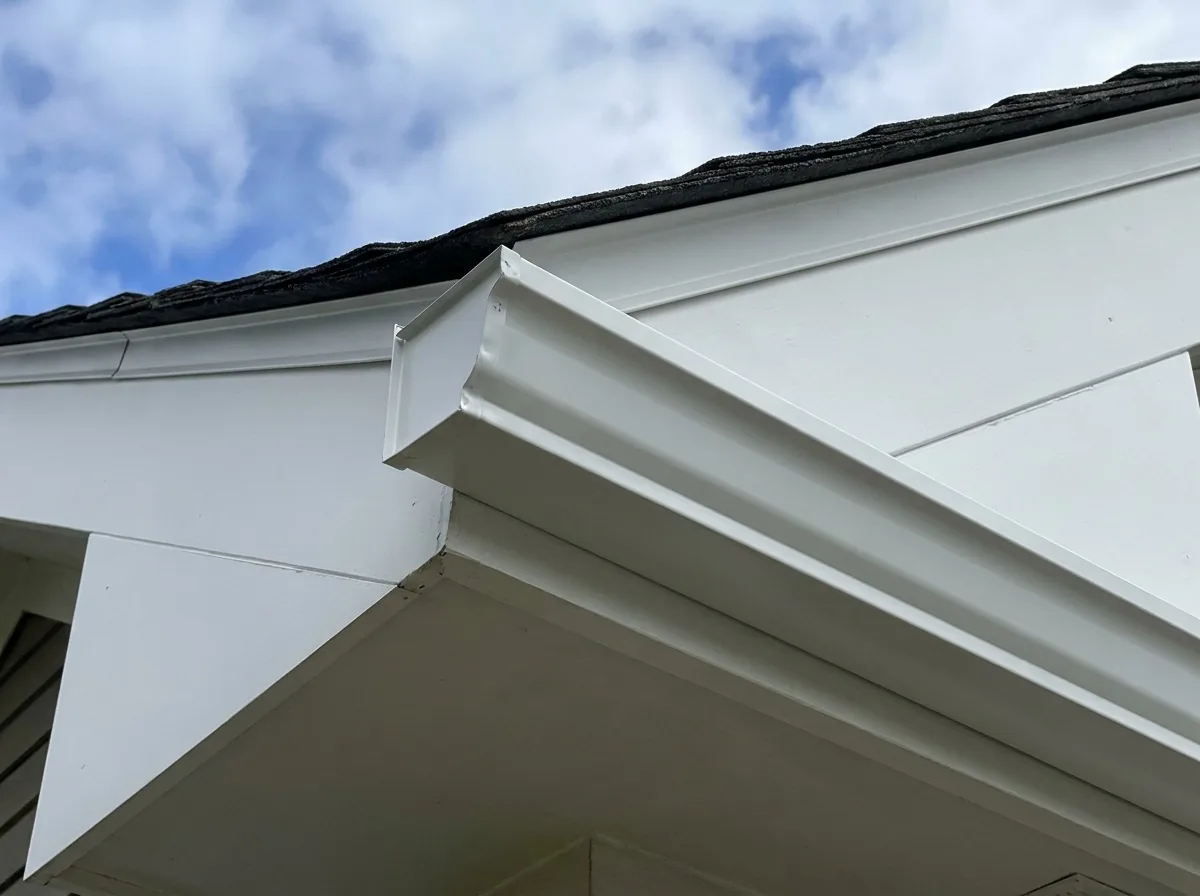
Aluminum seamless gutters are continuous painted aluminum K-style troughs formed on site so Minnesota roofs shed melt and summer storms without a joint every ten feet. In the Twin Cities in 2026, aluminum seamless installs typically land around $8–$14 per linear foot as a Minnesota market average (not an EaveX price list)—your total still depends on run length, stories, fascia condition, and roof type, and the measure is free.
Key takeaways
- Aluminum seamless is the default Twin Cities spec: continuous trough, color-matched paint, and hangers that handle freeze–thaw.
- Spec 5-inch or 6-inch K-style in 0.027–0.032-inch aluminum; upsize when valleys dump hard melt.
- Typical Twin Cities 2026 market band for seamless gutter installation is $8–$14/ft; ranch jobs often land $1,400–$2,800 before tear-off or fascia work.
- Snow load is mostly a hanger and fascia problem—not “steel or nothing.”
- Financing is available from 0% APR (0.00–9.99%) with GreenSky, plan 6124—not every buyer qualifies for 0%.
Why Twin Cities homes choose aluminum seamless
Minnesota winters swing from heavy wet snow to quick thaws. Sectional steel or cheap snap-together troughs collect more leak points at every joint. Aluminum seamless gutters arrive as one long run per eave, so water only meets sealed miters and outlets—fewer places for ice to pry seams open.
Painted aluminum also matches most Twin Cities siding and trim colors without heavy rust staining on light fascia. Crews form the coil on the driveway, hang it the same day on a typical ranch, and leave you with a continuous trough sized for your roof plane. That is why local homeowners asking about aluminum seamless gutters Minnesota almost always mean this K-style package—not a different material category. If a bid only lists “aluminum gutters” without saying seamless, ask whether joints every ten feet are still in the scope.
Aluminum seamless cost bands in Minnesota (2026)
Shoppers comparing aluminum seamless gutters Minnesota quotes usually want the installed number, not coil price alone. Use Twin Cities market averages for 2026, then adjust for your house:
| Scope (Minnesota market average, 2026) | Typical band | Notes |
|---|---|---|
| Aluminum seamless install (5" or 6") | $8–$14 / linear foot | Trough, outlets, elbows, downspouts, hangers |
| Typical 1-story ranch (~150–200 lf) | $1,400–$2,800 | Before tear-off or fascia repairs |
| Upsize 5" → 6" on same visit | +$2–$4 / ft | Helps heavy valley melt |
| Tear-off of old gutters | $1–$3 / ft | Add when old spikes or rot slow the crew |
| Micro-mesh guards (optional) | $6–$12 / ft | Separate line item; pick mesh for MN debris |
These figures are typical Twin Cities ranges (2026), not an EaveX price list—final cost depends on run length, stories, fascia condition, and roof type, so book a free measurement before you compare flyer “per foot” claims. If you are building a shortlist, read our Twin Cities seamless gutter cost guide for city-level bands, then bring those numbers to a free on-site measure.
Gauge, size, and hangers for Minnesota snow
Aluminum seamless only performs if the coil thickness and hangers match the load. Most Twin Cities homes land on 0.027-inch aluminum for standard eaves and step to 0.032-inch on long south runs or where ladders lean often. Neither gauge is “cheap tin” when hangers sit every 24–36 inches into solid fascia.
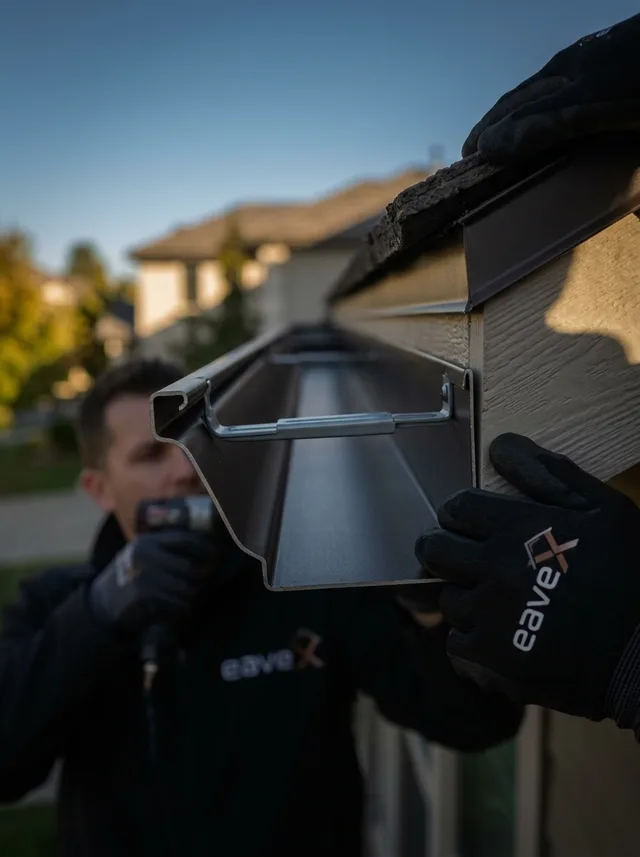
Size matters as much as gauge. A quiet ranch with short valleys often stays on 5-inch K-style; two-story roofs, steep pitches, and big valley dumps usually want 6-inch so melt does not sheet over the front edge during a March thaw. Pair either size with hidden hangers—not old spike-and-ferrule—so the trough does not pull away when ice builds, then use 0.027 vs 0.032 aluminum gutter gauge and 5-inch vs 6-inch gutters in Minnesota for the deep-dives.
Aluminum seamless vs steel for Minnesota winters
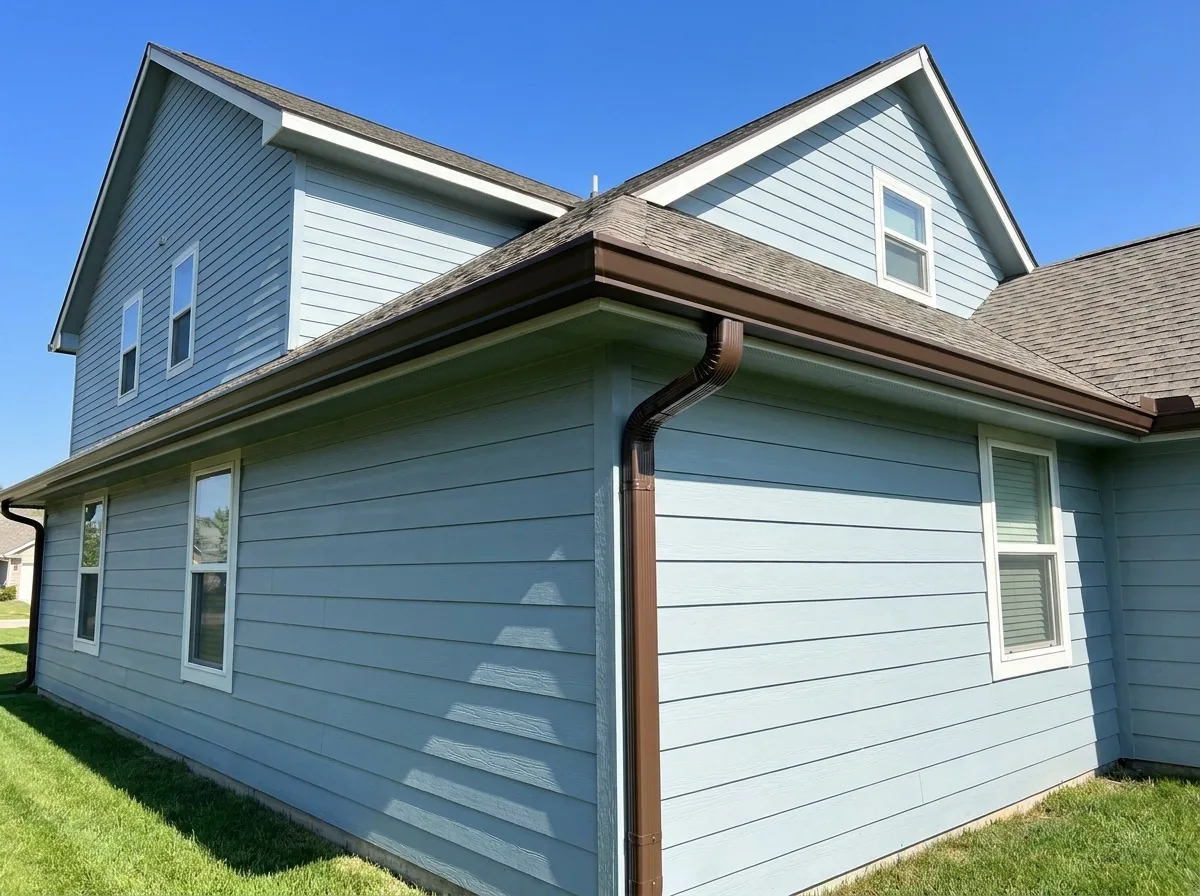
Homeowners sometimes ask whether steel outlasts aluminum in snow country. Galvanized or coated steel can be tough, but it is heavier, harder to form seamless on site, and more likely to show rust streaks on light fascia if the coating chips. Painted aluminum stays lighter on the hangers, color-matches trim, and still handles Minnesota snow when the fascia is sound and hangers are tight.
Choose steel only when a specific elevation or commercial detail calls for it. For a typical Twin Cities single-family home, aluminum seamless is the practical default—then spend the upgrade budget on gauge, downspout count, and fascia and soffit repair instead of swapping metals. A longer aluminum-vs-steel comparison lives here: aluminum vs steel gutters in Minnesota.
When aluminum seamless needs fascia work first
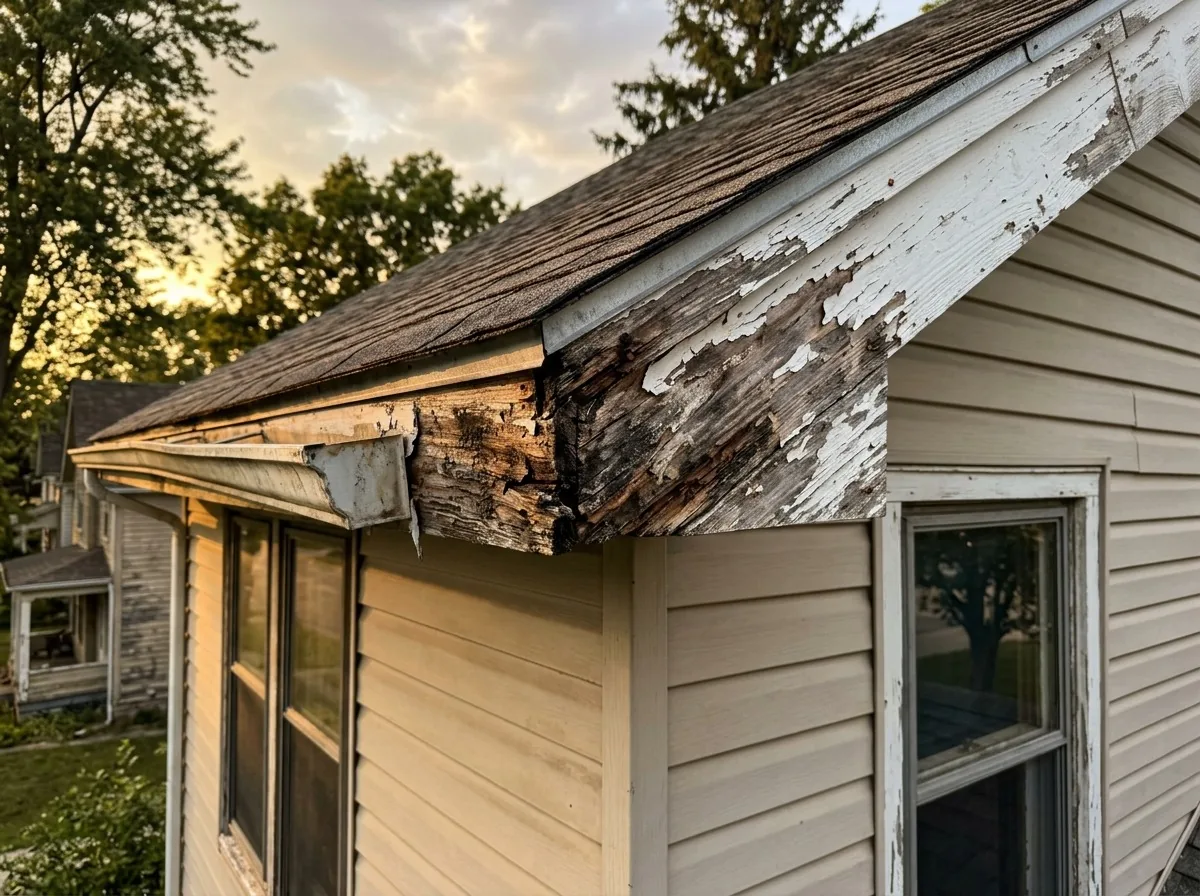
A new aluminum trough cannot fix rotten fascia. Soft boards compress under hangers, and the run sags within a season—especially after freeze–thaw. Before you approve coil color, have the crew probe the boards, replace soft sections, and confirm fastener bite. Wrapping sound wood is fine; hanging new gutters on mushy fascia is not.
November and early winter still allow installs on dry, above-freezing days, but fascia repairs are easier before the first hard freeze locks moisture into the wood. If your inspection finds soft spots, schedule fascia and soffit repair on the same visit as the gutter hang whenever possible.
Optional micro-mesh with a new aluminum run
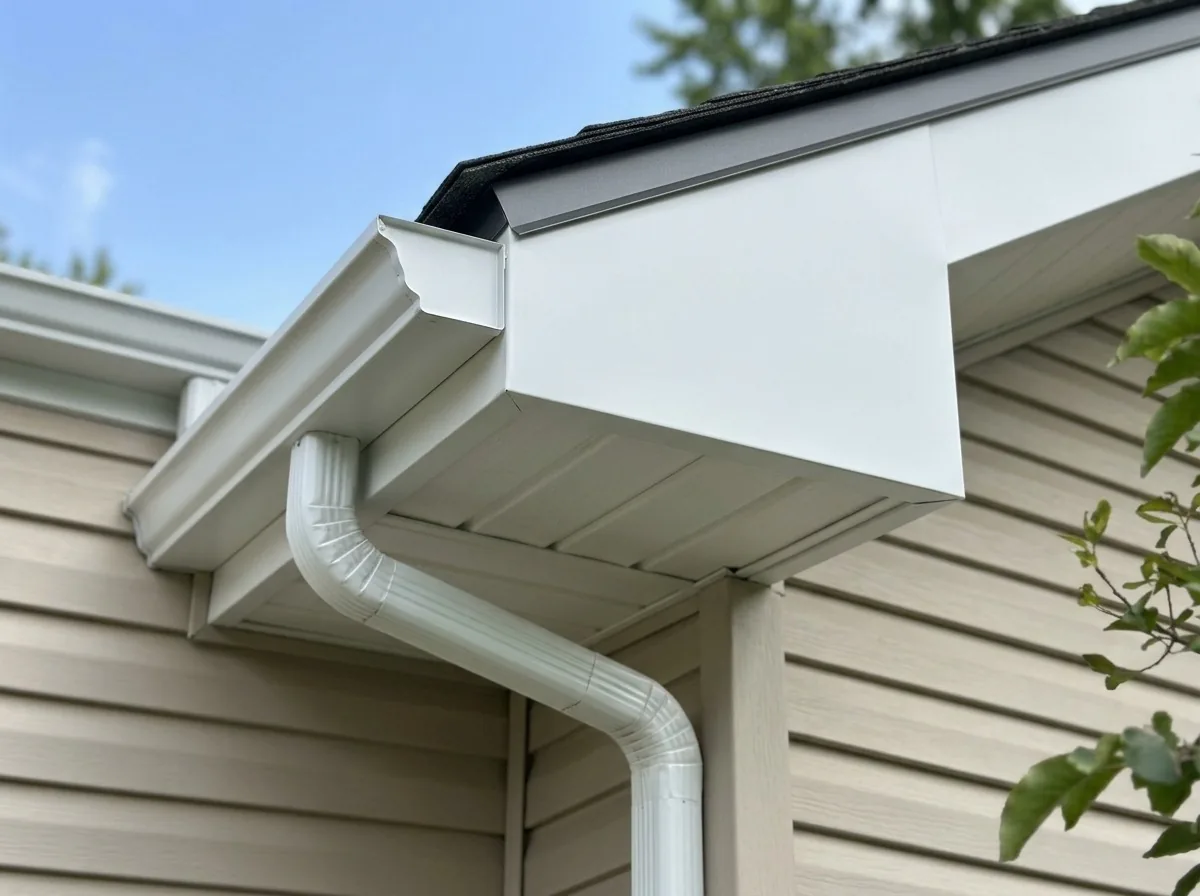
Leaf screens and micro-mesh are optional add-ons, not a requirement for aluminum seamless to work. If you add protection, choose a stainless micro-mesh in an aluminum frame sized to your trough—generic brand names do not matter as much as mesh opening, frame fit, and how the system sheds Minnesota melt. Clean the trough before guards go on so you are not trapping old debris under new mesh.
Typical Twin Cities 2026 market add-on for guards runs about $6–$12 per linear foot (Minnesota market average, not an EaveX price list). Decide on the same visit as the new trough when you can—one ladder setup, one color match, one punch list. Details: gutter guards.
Color, downspouts, and the install day
Aluminum seamless coil comes in dozens of baked-on colors so the trough can match dark musket brown fascia or bright white trim without field paint. Confirm the color chip in daylight before the machine starts—repaints after hang are awkward. While you are choosing color, count downspouts: Minnesota melt needs an outlet about every 30–40 feet of trough, plus extras at valleys, so water leaves the eave instead of sitting as ice.
On install day the crew sets the roll former, snaps lengths for each eave, hangs with hidden hangers, cuts outlets, and ties elbows into downspouts that discharge away from the foundation. A clean ranch often wraps in one daylight window; add time if tear-off, two-story ladders, or fascia sistering is on the ticket. Ask for the same written scope you will use to compare other bids—linear feet, gauge, size, hanger spacing, downspout count, and any fascia lines—so “aluminum seamless” means the same package on every quote.
What a free aluminum seamless measure covers
A useful measure is not a driveway guess. The tech walks the eaves, counts corners and downspouts, notes stories and ladder access, probes fascia, and flags valley dumps that argue for 6-inch. You leave with a scope you can compare—not a pressure pitch.
EaveX has completed 1,200+ exterior projects across the Twin Cities, holds license BC808261, and keeps a 5.0 rating after 13+ years in Minnesota. Financing is available from 0% APR (0.00–9.99%) with GreenSky, plan 6124—0% is not guaranteed for every buyer. Ask what rate you actually qualify for before you sign.
Book a free inspection before the next thaw cycle
If your troughs leak at joints, pull away from the roof edge, or overflow every melt, aluminum seamless is usually the fix—not another tube of sealant. Book a free inspection, get a Minnesota-market scope in writing, and install while crews can still work dry fascia.
Call (763) 313-8516 or request a free inspection for seamless gutter installation serving the Twin Cities from our Albertville shop.