How Often Should You Clean Gutters in Minnesota? (2026)
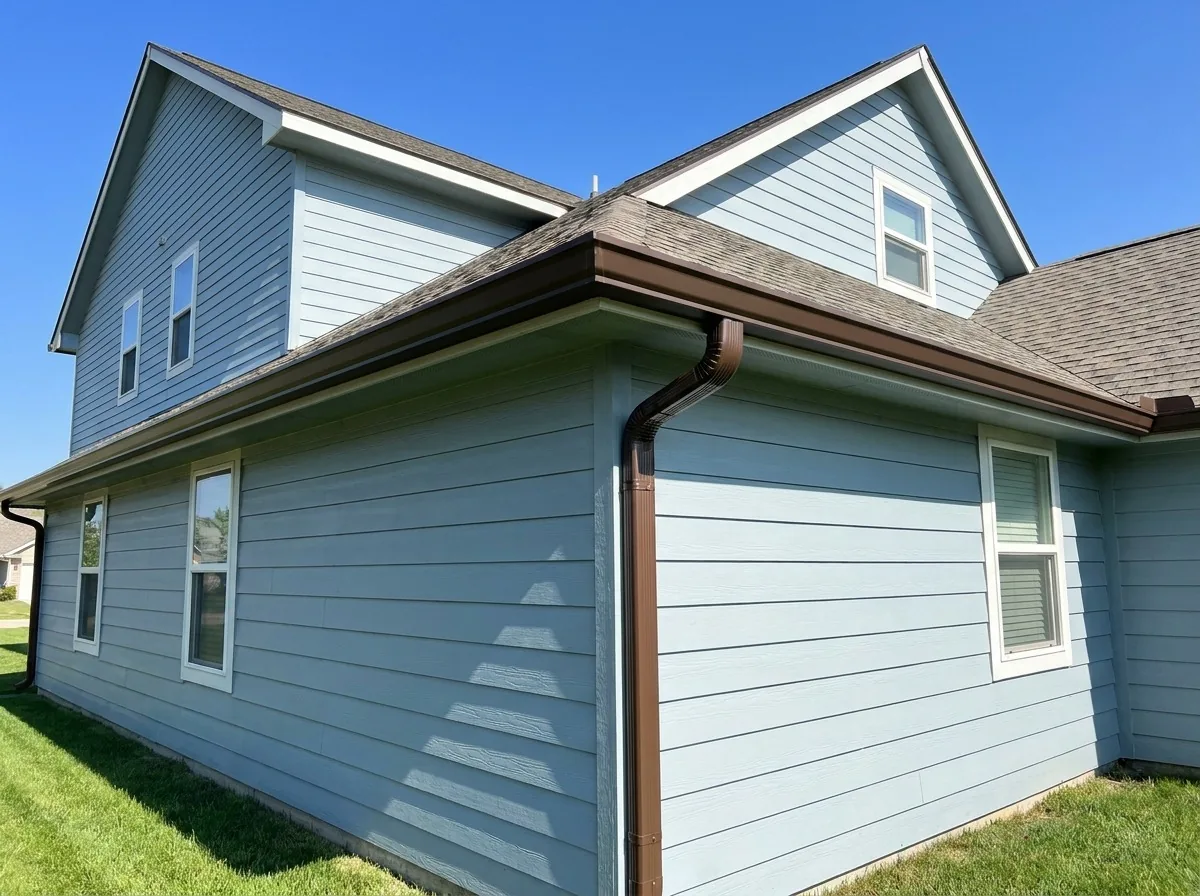
Most Minnesota homes need gutter cleaning twice a year—once after spring seed and pollen drop and again after fall leaf drop before the first hard freeze. Heavy-canopy lots with oak, maple, or pine often need a mid-summer check after storm weeks, while open lots with few trees may get by with one thorough fall clean if downspouts stay clear.
Key takeaways
- Baseline for Twin Cities suburbs: spring + fall; skip the fall pass and you pay in ice dams, fascia rot, and basement seepage.
- Under dense tree cover, plan 2–3 visits per year; guards with micro-mesh and stainless steel mesh cut frequency but do not eliminate checks.
- August–September is the smart pre-leaf audit window; October is peak leaf drop in Maple Grove, Plymouth, and most inner-ring cities.
- Typical Minnesota market cost per visit: $150–$350 for a one-story ranch in 2026 (see our gutter cleaning cost in Minnesota guide)—not an EaveX price list; measure on site.
- EaveX: 1,200+ projects, 5.0 rating, 13+ years, License BC808261; financing from 0% APR (0.00–9.99%) with GreenSky, plan 6124 (not every buyer qualifies for 0%).
How often should you clean gutters in Minnesota?
Twin Cities weather throws three debris seasons at your roofline: spring helicopters and pollen, summer storm grit, and fall leaf drop that can pack troughs in a single weekend. Cleaning twice a year clears those cycles before they turn into overflow, stained fascia, or frozen clogs.
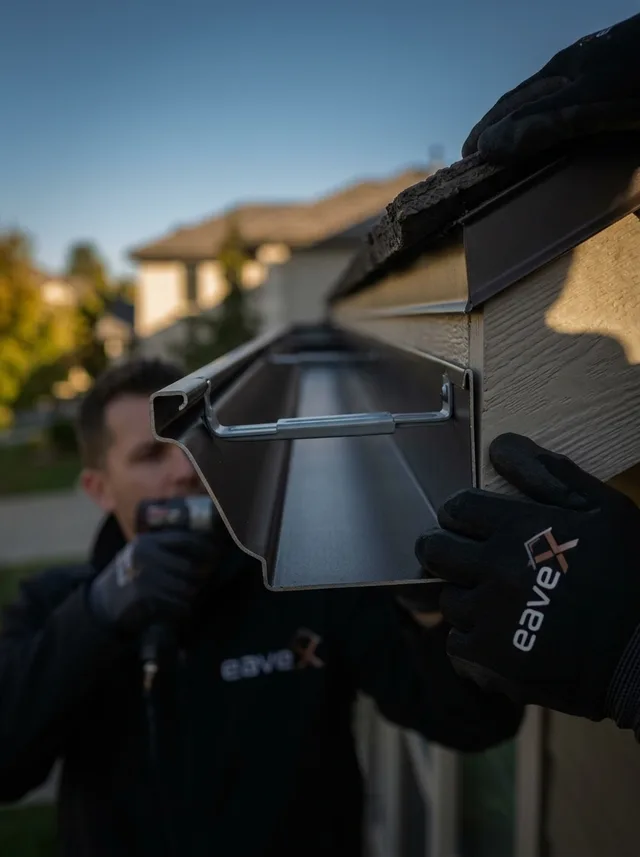
If you already installed micro-mesh guards with a stainless steel mesh in an aluminum frame, you still schedule periodic checks—guards reduce scooping, not physics. Fine grit and pine needles can mat over outlets; a quick flush beats a January emergency.
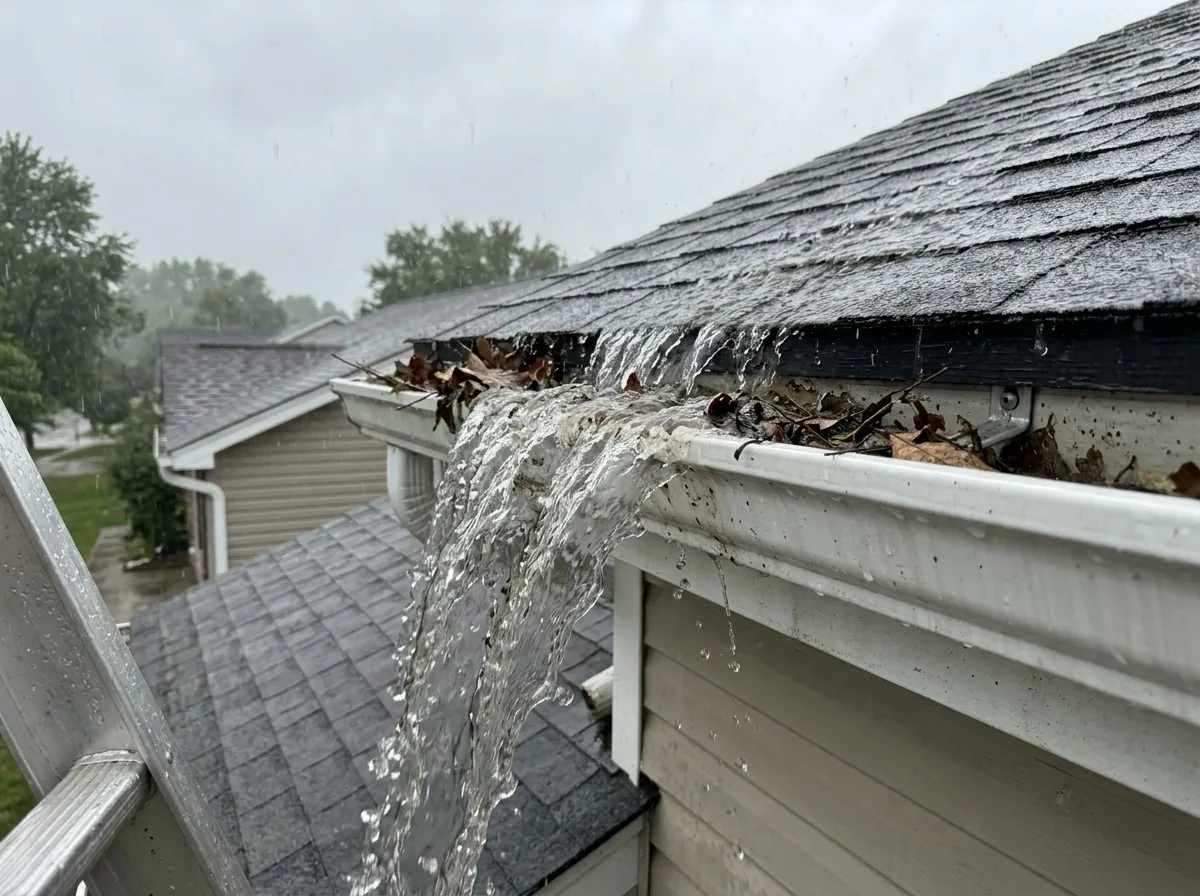
Cleaning frequency by tree cover (Twin Cities, 2026)
| Property profile | Recommended cleans / year | Best timing |
|---|---|---|
| Open lot, few trees | 1–2 | Fall (required) + optional spring |
| Moderate canopy (maple/oak mix) | 2 | Late spring + mid/late fall |
| Heavy canopy / pine needles | 2–3 | Spring + post-storm summer + fall |
| With micro-mesh guards | 1–2 checks | Surface brush + downspout flush |
| After new roof / major storm | 1 extra | Within 2–4 weeks of grit drop |
Final schedule depends on run length, stories, fascia condition, and roof type—book gutter cleaning with a crew that inspects hangers and outlets, not just scoops leaves.
Spring vs. fall: which clean matters more?
Fall is non-negotiable in Minnesota. Wet leaves that freeze into the trough block melt paths all winter and feed ice dams at the eaves. Spring cleaning clears seed pods and pollen that compact into a paste by June—especially on low-slope sections where water sits.
Late August through early September is ideal for a pre-leaf audit: confirm pitch, tighten loose hangers, and decide whether guards or a full clean makes sense before peak drop. If you are unsure whether one fall visit is enough, read Is one fall gutter cleaning enough in Minnesota?.
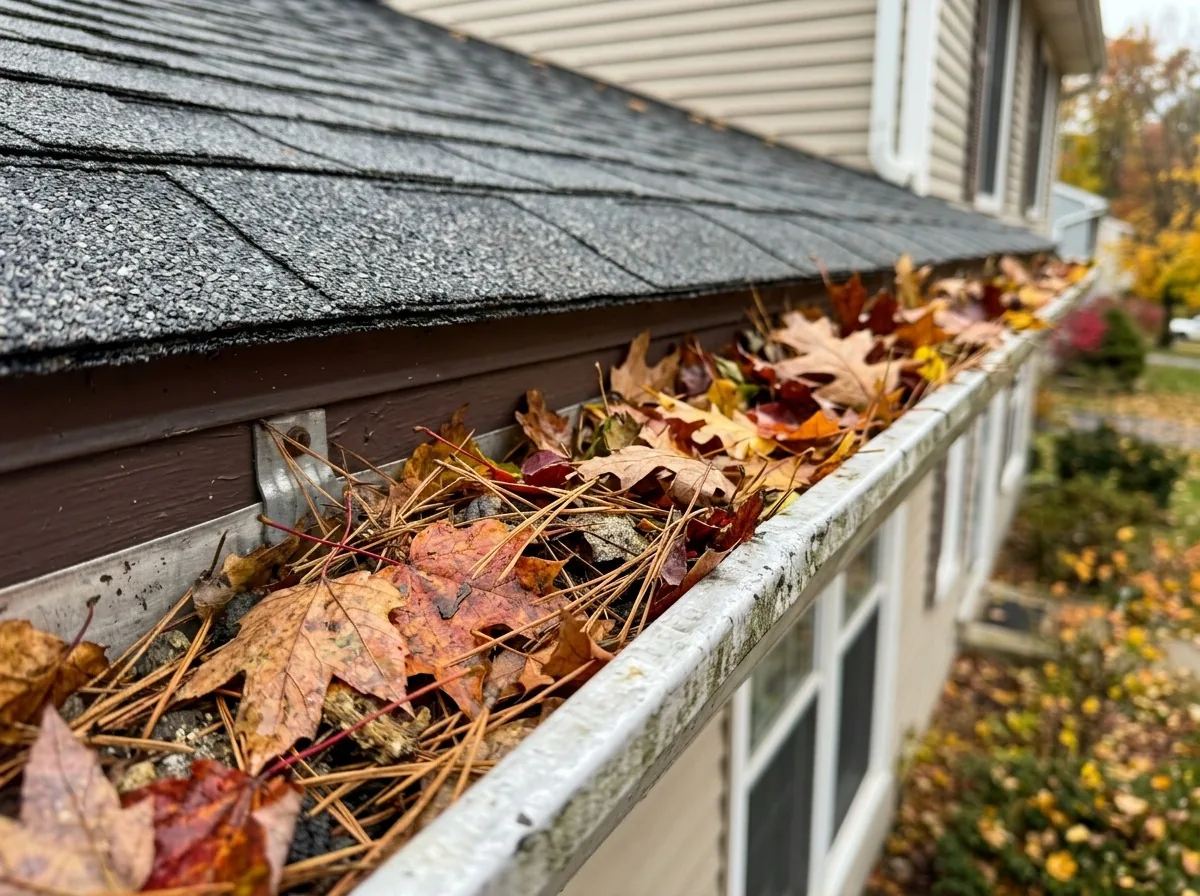
Signs you are cleaning too late
Overflow during a normal rain, soil washout under downspouts, peeling paint on fascia, or plants sprouting in the channel mean you missed a cycle. Those symptoms overlap with failing hardware—use the seven signs your gutters are failing checklist if sagging or daylight behind the trough shows up too.
When cleaning no longer fixes overflow on a steep roof, compare 5-inch vs 6-inch gutters in Minnesota before you pay for a third emergency scoop in one season.
Guards, cleaning, and replacement: how often changes
| Situation | How often to service |
|---|---|
| Open aluminum troughs, moderate trees | 2× / year clean |
| Micro-mesh guards (stainless mesh) | 1–2 checks / year |
| Sectional gutters with leaky seams | Clean + plan replace |
| Pulling away / soft fascia | Fascia and soffit repair before re-hang |
| Constant overflow after two cleans | Gutter guards or upsized seamless runs |
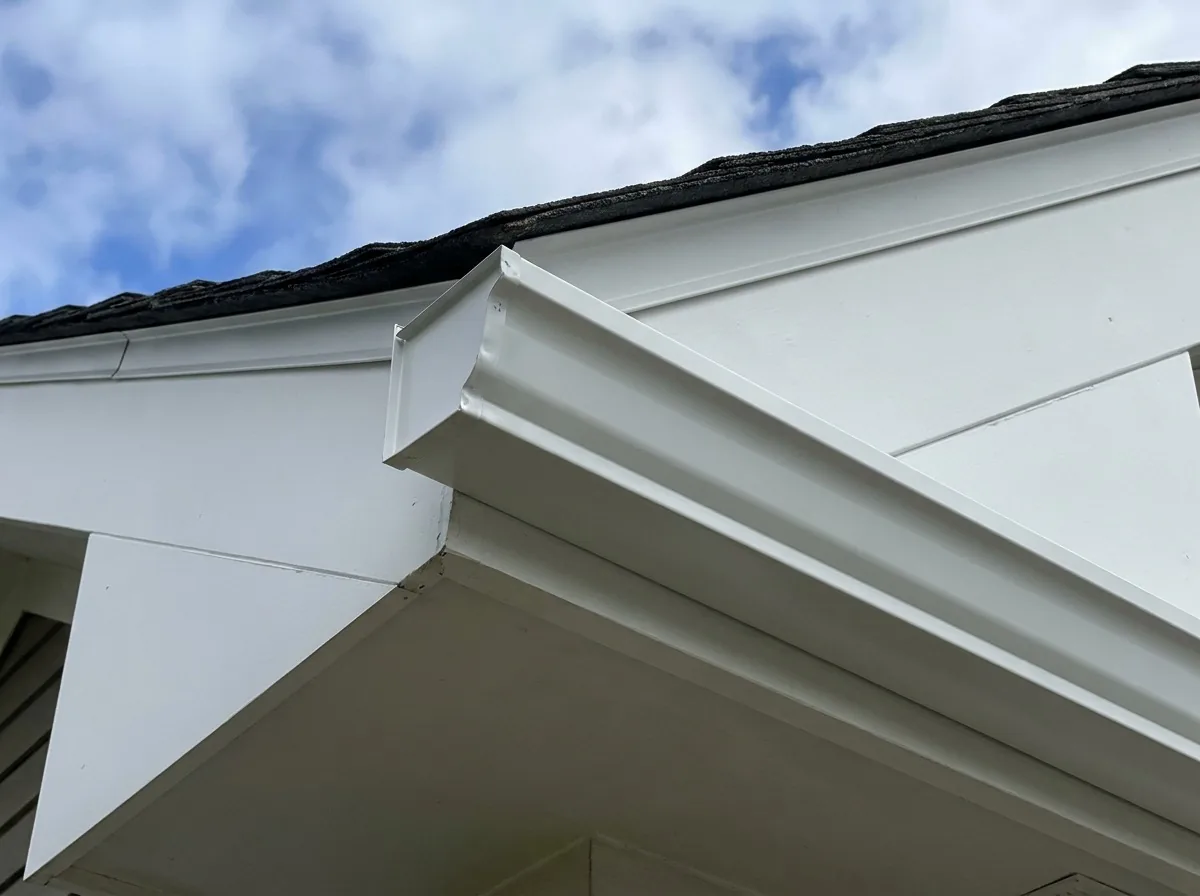
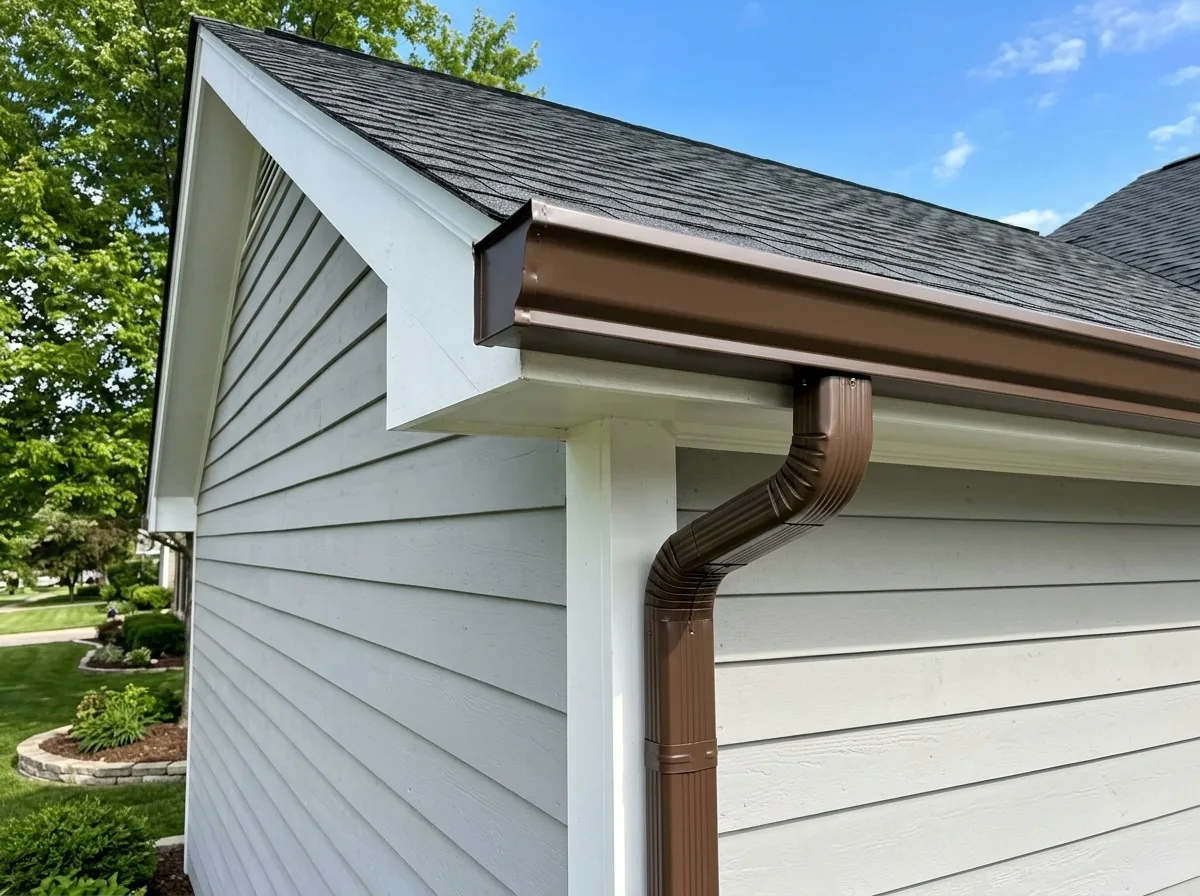
EaveX matches guard type to roof pitch and debris—no single consumer brand pitch. When troughs are past repair, seamless gutter installation on a free measurement beats another year of band-aid cleans.
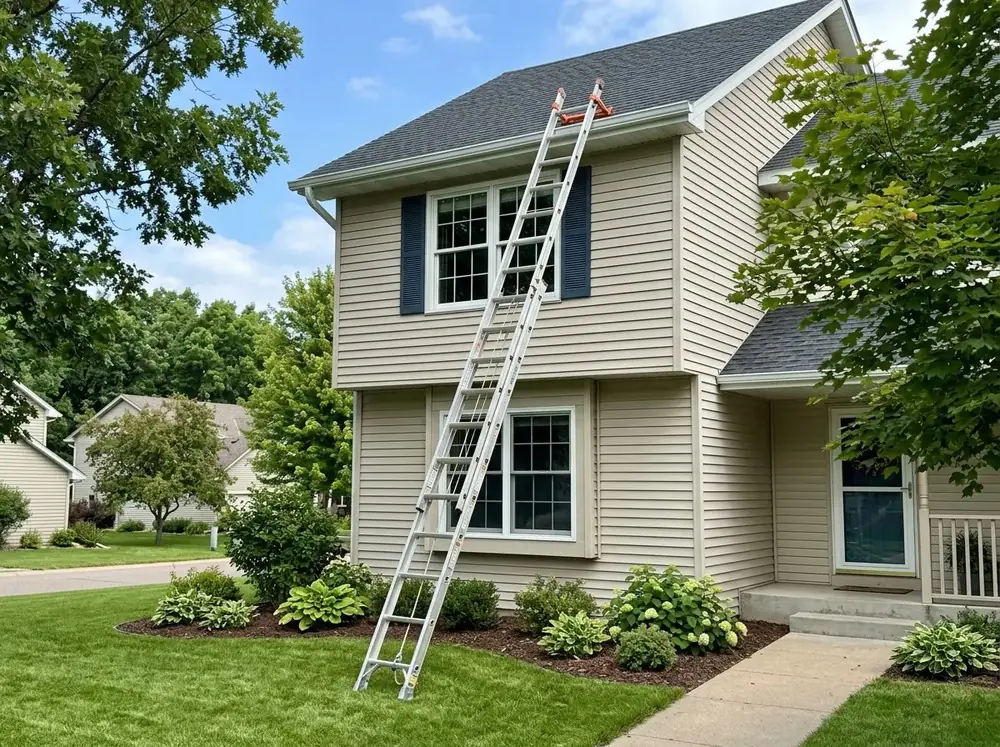
How Minnesota winters change your cleaning schedule
Once overnight lows stay below freezing, wet leaf mats bond to the trough and downspout elbows. A November clean you skipped becomes a February problem: ice bridges at the eave, stained siding, and water backing under shingles. That is why fall timing matters more than spring in the Twin Cities—even if the trough looked “fine” after a dry summer.
Spring cleaning still earns its place. Maple helicopters, cottonwood fluff, and pollen paste clog low points before May storms arrive. If you only budget one visit, choose fall—but on lots with mature oak, skipping spring usually means overflow during the first heavy June downpour.
Ice dams and outlet checks
Homes that fight ice dams every January should treat outlet checks as part of the cadence. Clearing the trough does not fix attic heat, but blocked outlets make dam cycles worse. After a hard winter, inspect for pulled hangers and soft fascia before you assume another scoop will solve overflow.
Rental, vacation, and lake-home schedules
Seasonal homes around Twin Cities lakes and exurban cabins often need a late fall clean plus an early spring open-up. Leaves sit untouched while owners are away, and mice or squirrels nest in quiet troughs. If the property sits empty November through March, book fall cleaning before lock-up and schedule spring as soon as snow melts off the roof edge—before April rains test clogged outlets you cannot see from the ground.
Fall timing in Minneapolis, St. Paul, and suburbs
Inner-ring suburbs with mature oak often need October booking before the first hard freeze. Exurban lots in Maple Grove and Plymouth with heavy canopy should treat late September as the deadline, not a suggestion.
Pair your fall schedule with gutter cleaning before winter in Minnesota if nights are already dropping below freezing. Cleaning after ice bonds leaf mats costs more and still leaves dam risk at the eaves.
DIY vs. professional cadence
A stable ladder and a one-story ranch make DIY scooping workable for light debris—if you flush every downspout and skip icy mornings. Two-story roofs, steep pitches, and buried outlets are where pros earn the fee: they catch loose spikes and soft fascia while on the ladder.
If you are weighing DIY against hiring out, see DIY vs hiring a pro for gutter installation in Minnesota—many of the same safety and pitch rules apply to maintenance visits.
Why Twin Cities homeowners call EaveX
EaveX is based in Albertville (5098 Main Ave NE) and serves the Twin Cities metro. We are licensed BC808261, with 1,200+ projects, a 5.0 rating, and 13+ years in Minnesota weather. We install 100+ gutter systems a season—fall cleaning queues fill fast once nights freeze.
Book a free inspection and we will tell you honestly whether your lot needs one clean, two, or guards—no pressure to overschedule visits you do not need.
Ready for a free inspection?
Call (763) 313-8516 or request a free inspection online. We will map a cleaning cadence for your tree cover, check downspouts before winter, and quote guards or new seamless runs if cleaning alone will not fix overflow.