A Minnesota gutter replacement estimate should list linear footage, tear-out, hangers, outlets, downspouts, and any fascia and soffit repair—not a single lump sum with no scope. If the quote only says “gutters $X,” ask for a line-item sheet before you book seamless gutter installation. Twin Cities market averages in 2026 still cluster around $8–$16 per linear foot for full seamless replacement (tear-off included); that is a Minnesota market average, not an EaveX price list, and the final number depends on run length, stories, fascia condition, and roof type—confirmed on a free measurement.
Key takeaways
- A usable estimate names LF of trough, stories, downspout count, and fascia scope—not just a total.
- Twin Cities 2026 market bands: seamless replace about $8–$16/lf; two-story often $10–$18/lf; fascia board work about $15–$40/lf where rot shows.
- Tear-off, hidden hangers, miters, and outlets should be in the base scope or called out as extras.
- Gutter guards and color upgrades are usually add-ons—ask before you compare totals.
- EaveX: 1,200+ projects, 5.0 rating, 13+ years, license BC808261; financing from 0% APR (0.00–9.99%) with GreenSky, plan 6124—not every buyer qualifies for 0%.
What a solid Twin Cities estimate must list
A replacement quote that wins on a low number and hides scope is how Minnesota homes end up with sectional splices, spike-and-ferrule hangers, or soft fascia under new metal. Your sheet should show measured eave LF, roof pitch notes, stories, and whether the crew removes the old trough or hangs over failed metal.
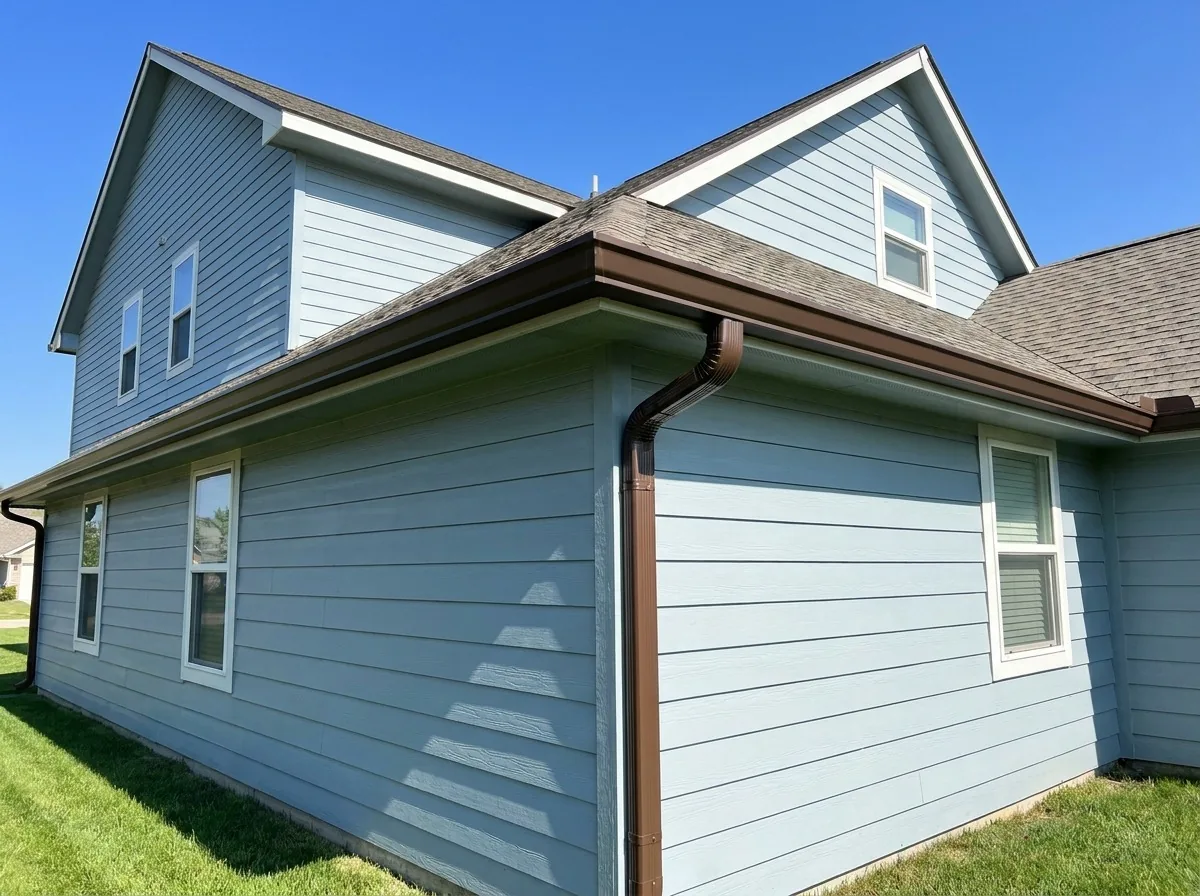
Compare any bid against the market bands in our gutter replacement cost guide and the Twin Cities numbers in seamless gutter cost. If two estimates differ by $1,500+ on the same house, the gap is almost always fascia, stories, or missing tear-out—not “premium aluminum.” Homeowners in Maple Grove, Plymouth, and Blaine see the same pattern every fall: the cheapest PDF is missing tear-off or fascia, then the change order lands after the old metal is gone. Ask for the measurement method (laser, tape, or satellite reconciliation) and whether the estimator walked every elevation, including garage bump-outs and porch returns.
Line items: trough, hangers, outlets, downspouts
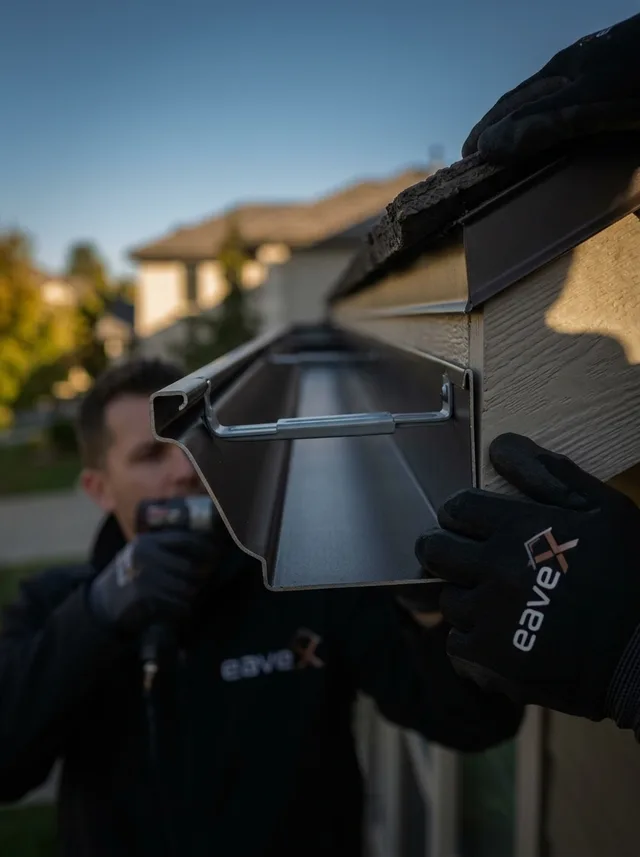
Trough LF is the spine of the estimate: K-style seamless aluminum run on-site, usually 5-inch or 6-inch. Ask which gauge (many Twin Cities installs use 0.027 or 0.032—see aluminum gauge guide) and whether hidden hangers are included every 24–36 inches. Spike-and-ferrule leftovers are a common winter failure mode when gutters start pulling away from the house.
Outlets and downspouts should be counted, not buried. A typical single-story ranch needs enough outlets so water does not sheet over miters in a July storm; our how many downspouts guide explains spacing. Extensions that stop at the foundation are not “done”—discharge needs to clear the slab so spring melt does not pool against the basement wall (how far should downspouts drain).
Miters, end caps, and inside/outside corners belong on the sheet too. Seamless runs still need fabricated corners; if those parts are “extra,” your low LF price was never apples-to-apples. For size choice on steep roofs and mature oaks, cross-check 5-inch vs 6-inch before you lock the estimate. Prefer seamless vs sectional when you are replacing more than one short elevation—mixed systems leak at the splice more often than a continuous seamless run.
Tear-off, disposal, and what “installed” means
“Installed” without tear-off often means new metal clipped over rotten hangers. A clear estimate says remove and haul old gutters and notes dump fees if they apply. On two-story colonials, staging and ladder time push labor into the higher end of Twin Cities 2026 bands (often about $10–$18/lf)—still a market average for planning, not an EaveX list price; free measurement sets the real number.
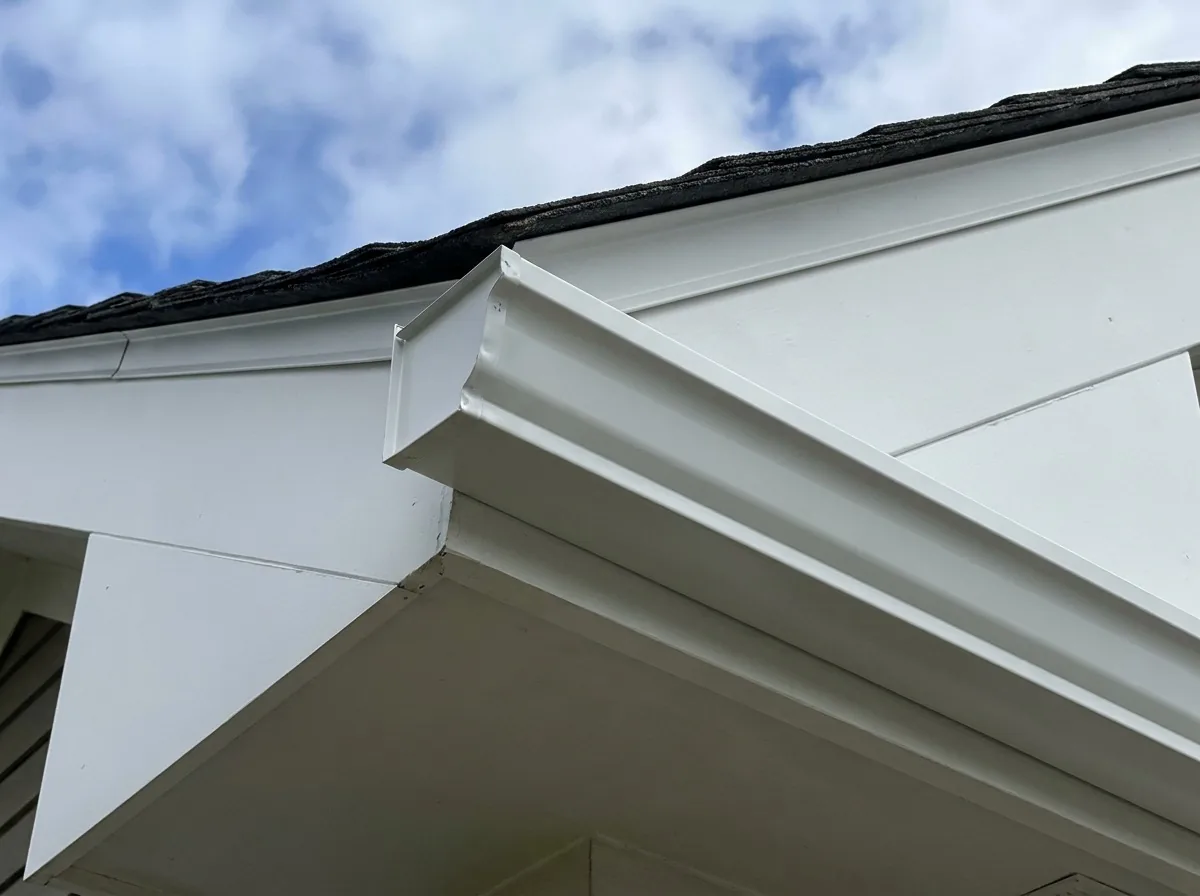
If only one elevation is failing, ask whether a short sectional patch is safer than matching gauge and color later—or whether full seamless is smarter for long-term leak control. Disposal of old sectional steel or painted aluminum should not appear as a surprise day-of invoice; if the estimator skipped the garage side, the LF will jump when the crew arrives. Timing also matters: summer and early fall installs avoid hard freeze—see best time to install gutters and prepare gutters for winter.
Fascia and soffit: the line homeowners miss
Overflow and ice push water behind the trough onto wood fascia. If the board is soft, new gutters hang on rot and pull by February. Estimates should either include fascia board replace/wrap LF or explicitly say “fascia TBD after tear-off.” Market averages for fascia work in the Twin Cities (2026) often run about $15–$40 per linear foot depending on wrap vs full board—again a market band, not our list price; free measure decides the scope.
Read wrap or replace fascia and new gutters on rotted fascia before you accept a trough-only bid. Soffit vents clogged with nest debris also belong in the conversation when water stains show on the porch ceiling—otherwise you replace the gutter and still chase a leak that was never in the trough. Pair fascia notes with fascia repair cost with new gutters when you are budgeting both lines.
Add-ons: guards, size ups, color, and cleaning
Micro-mesh or stainless mesh gutter guards are usually a separate LF line (Twin Cities market often about $6–$12/lf in 2026). Ask whether the trough is cleaned before mesh goes on—see clean before installing guards and install guards with new gutters. Upsizing 5-inch → 6-inch on steep oaks in Blaine or Roseville should show as a size decision, not a surprise on install day (upsize to 6-inch).
Color-matched enamel is normal on seamless aluminum; exotic finishes can add cost. A one-time gutter cleaning of remaining open runs is not a substitute for replacement when seams already weep. If leaf screens are pitched as “lifetime no cleaning,” treat that claim as marketing—Minnesota oak helicopters and ice still need a seasonal check.
Twin Cities estimate checklist table (2026)
| Line item | What “included” should mean | Typical Twin Cities market note (2026) |
|---|---|---|
| Seamless trough LF | Measured eaves; 5" or 6"; gauge stated | About $8–$16/lf full replace |
| Tear-off + haul | Old metal removed, not covered over | In base or called out |
| Hidden hangers | Spacing stated (often 24–36") | Prefer over spike-and-ferrule |
| Outlets / downspouts | Count + extensions past foundation | Extra outlets on long runs |
| Fascia / soffit | LF of repair/wrap or “inspect at tear-off” | About $15–$40/lf when needed |
| Guards (optional) | Mesh type + LF; clean-out first | About $6–$12/lf add-on |
| Stories / staging | One- vs two-story called out | Two-story often $10–$18/lf |
Figures are Minnesota market averages for planning—not an EaveX price list. Final cost depends on run length, stories, fascia condition, and roof type; measurement is free.
How to compare three estimates side by side
Print the three sheets and highlight every missing line. Align LF first—if Company A measured 180 lf and Company B 210 lf, reconcile the garage and bump-outs before you talk price. Next compare hanger type, downspout count, and fascia language. Only then look at the total.
Financing footnotes matter too. A lower cash price with no financing disclosure can still cost more per month than a clearer scope with GreenSky options. We disclose financing as from 0% APR (0.00–9.99%) with GreenSky, plan 6124 and never claim every applicant gets 0%.
Red flags on a gutter replacement quote
Walk away or renegotiate if the estimate has no LF, promises “lifetime no maintenance” without a written hanger and fascia scope, or prices guards as if they replace sound trough metal. Quotes that ignore winter freeze–thaw on Minnesota fascia are incomplete. Same-day “special” pressure without a written scope is another hard no.
If you are deciding swap vs patch, use repair vs replacement and when to replace seamless gutters. Chronic overflow after every storm is usually capacity, pitch, or outlet count—not a coupon for sectional patches (overflowing gutters causes).
How EaveX builds a free replacement estimate
We measure the eaves, check fascia with a probe where water stains show, count outlets, and write the scope in plain English before any deposit. You get the same trust numbers we publish everywhere: 1,200+ projects, 5.0 rating, 13+ years in Minnesota, license BC808261. The visit is scheduled around your day; most homes take under an hour on site once access is clear.
We will not invent a “package savings” that hides missing downspouts. If fascia is uncertain until tear-off, we say so on the estimate instead of low-balling the trough and change-ordering later. That is how Twin Cities homeowners compare bids without guessing.
Book a free measurement
Call (763) 313-8516 or request a free inspection online. We will walk the elevations, show you what belongs in the estimate, and leave a written scope you can compare to any other Twin Cities bid—without pressure to decide on the driveway.