Micro-Mesh vs Screen Gutter Guards for Minnesota Snow (2026)
For Twin Cities winters, micro-mesh gutter guards usually beat coarse screen guards because fine needles, shingle grit, and freeze–thaw ice bridging clog a wide screen faster than a stainless mesh with tiny openings. Screen still sheds big maple leaves in October; Minnesota’s real test is December through March. Book a free gutter guards measure to match the cover to your roof and tree mix — EaveX does not push a single brand.
Key takeaways
- Micro-mesh (stainless steel mesh in an aluminum frame) is the default pick for oak, pine, and asphalt-shingle roofs that see ice dams.
- Coarse screen or perforated covers can work on open lots with light leaf load, but snow melt carries grit that drops through larger holes and packs the trough.
- Typical Twin Cities 2026 market range for quality micro-mesh is about $8–$20 per linear foot installed. That is a Minnesota market average, not an EaveX price list. The total depends on run length, stories, fascia condition, and roof type; the measurement is free.
- Guards do not replace winter gutter cleaning forever — plan a spring check after the last thaw.
- Financing is available from 0% APR (0.00–9.99%) with GreenSky, plan 6124 (not every buyer qualifies for 0%). License BC808261, 13+ years, 1,200+ projects, 5.0 rating.
This guide sits next to Gutter Guards for Minnesota Snow. That article covers snow behavior; this one answers the hardware question homeowners ask when comparing mesh styles: micro-mesh vs screen.
What “micro-mesh” and “screen” mean on a Minnesota house
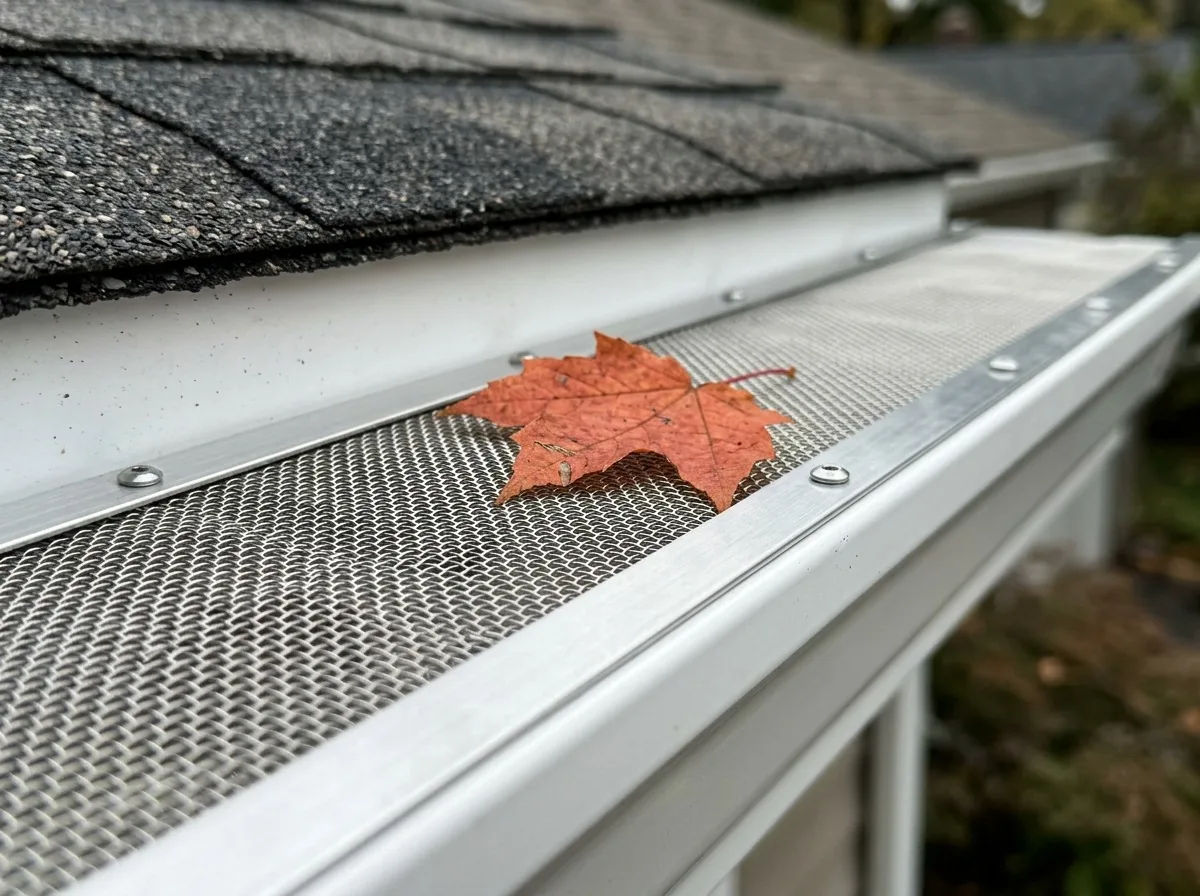
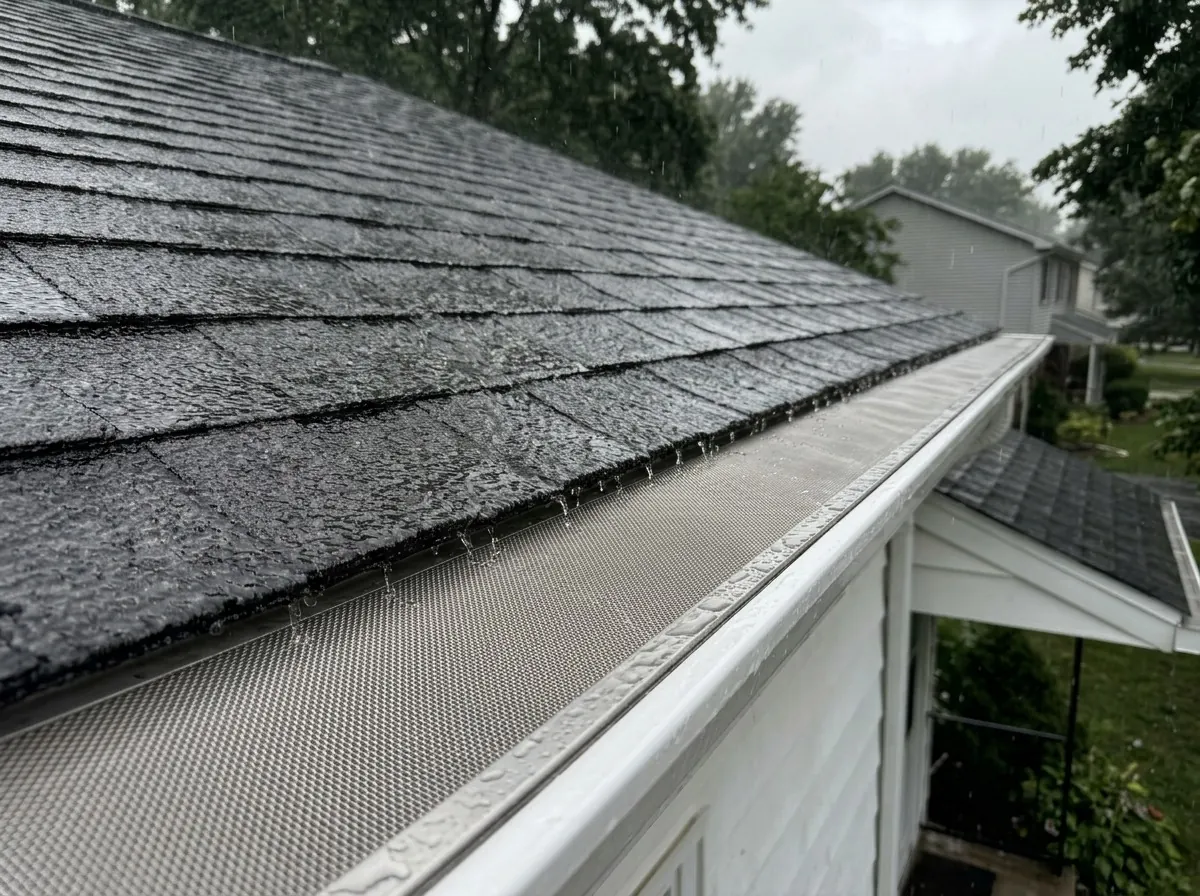
Micro-mesh means a fine stainless steel weave (openings small enough to stop most pine needles) set in a rigid aluminum frame that clips or screws to the lip or fascia. Water sheets across the mesh and into the trough; debris stays on top until wind or a soft brush clears it.
Screen means a coarser metal or plastic grid — think larger openings that stop whole oak leaves but let needles, seed pods, and roof grit fall through. Some screens sit inside the trough; others snap over the top. Both styles keep big leaves out of the downspout elbow in fall. Minnesota winter is a different filter test.
Why Minnesota snow favors tighter mesh
Snow rarely “clogs” a cover the way wet oak leaves do. The damage path is melt water + grit + re-freeze:
- Daytime sun melts a ridge of roof snow.
- Melt water carries asphalt granules and needles onto the cover.
- On a coarse screen, that grit drops into the trough and piles at the outlet.
- Overnight cold locks the pile into ice. The next melt has nowhere to go, so water sheets over the face — classic ice-dam starter on north and east elevations.
Micro-mesh keeps more of that grit on top of the cover. You still get surface ice on cold nights (see Do Gutter Guards Freeze in Minnesota Winters?), but the trough stays clearer, so thaw days drain instead of overflowing into the fascia.
Micro-mesh vs screen: Twin Cities comparison (2026)
| Factor | Micro-mesh | Coarse screen |
|---|---|---|
| Pine / oak needles | Usually stops them on top | Often drops into the trough |
| Big maple / basswood leaves | Stays on top; brush or blow off | Stays on top if openings are small enough |
| Shingle grit after melt | Mostly stays on mesh | Falls through; packs outlets |
| Ice bridging risk | Surface ice possible; trough drains better | Ice + packed grit inside trough |
| Typical Twin Cities 2026 market range | About $12–$20 / lf installed | About $8–$14 / lf installed |
| Cleaning cadence | Light surface clear + spring trough check | More frequent trough cleanouts |
Ranges are Minnesota market averages for 2026, not an EaveX price list. Final cost depends on linear feet, stories, fascia condition, and roof type. Measurement is free.
Best gutter guards for Minnesota snow: how we choose on site
“Best gutter guards Minnesota” is not a brand contest — it is a site match. On a free measure we look at:
- Tree mix (oaks and pines vs open prairie lots)
- Roof pitch and valley count (more melt concentration)
- Existing trough size (5-inch vs 6-inch K-style)
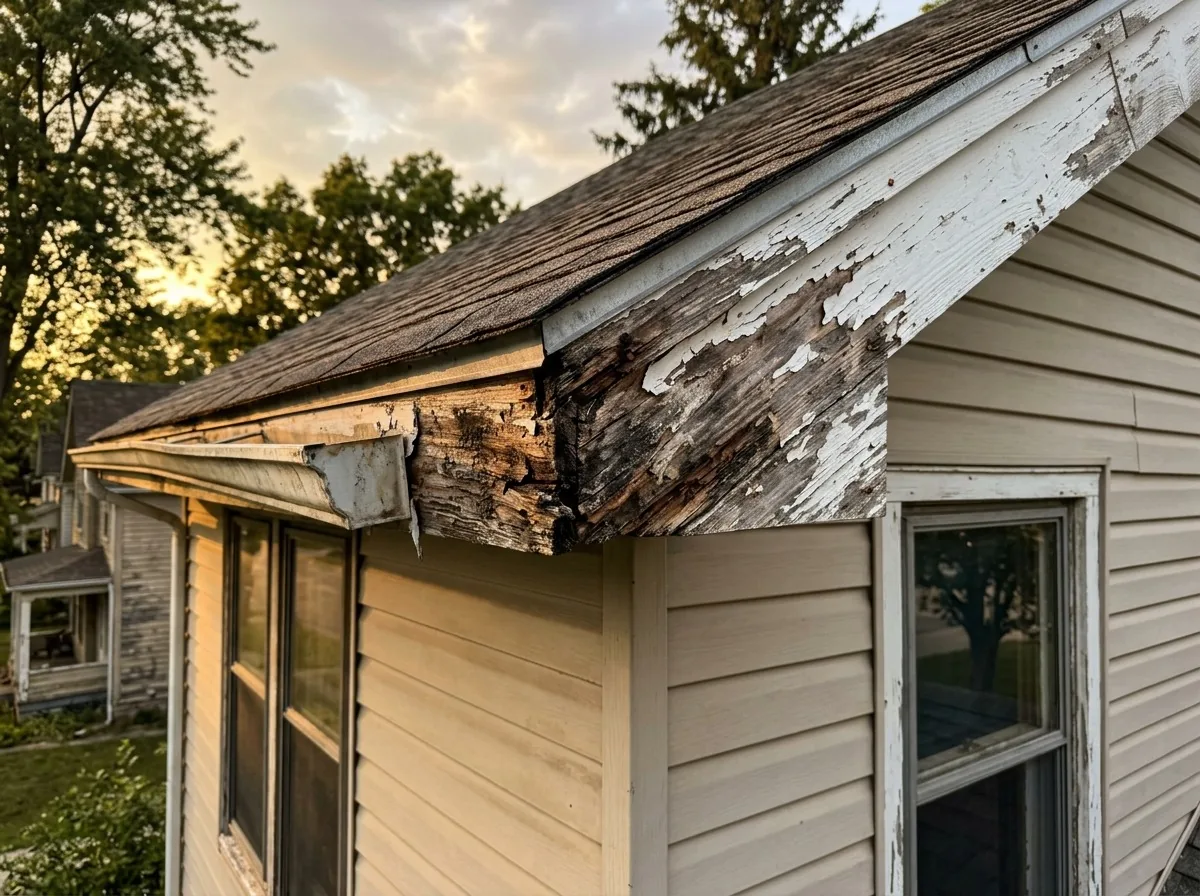
- Fascia soundness — rotten boards get fixed under fascia and soffit repair before any cover goes on
- Whether the homeowner still wants occasional ladder cleaning or wants near-zero trough access
Open ranch homes with light deciduous cover can live with a well-fitted screen. Two-story lots under pines in Maple Grove, Blaine, or Hugo almost always need micro-mesh if the goal is fewer winter overflows. For cost context, see How Much Do Gutter Guards Cost in Minnesota?.
Screen guards: when they still make sense
Screen is not “wrong.” It is a tool:
- Budget-first projects on single-story ranch homes with few trees
- Temporary cover while planning a full seamless gutter installation next season
- Homes that already schedule two cleanings a year and mainly need leaf blocking in October
If ice dams or repeated winter overflow are already on the punch list, spending less on a coarse screen usually just delays a second visit. Pair any cover decision with honest are gutter guards worth it in Minnesota math for your roof, not a brochure claim.
Installation details that matter more than the weave
Mesh type fails when hangers, pitch, or outlets are wrong:
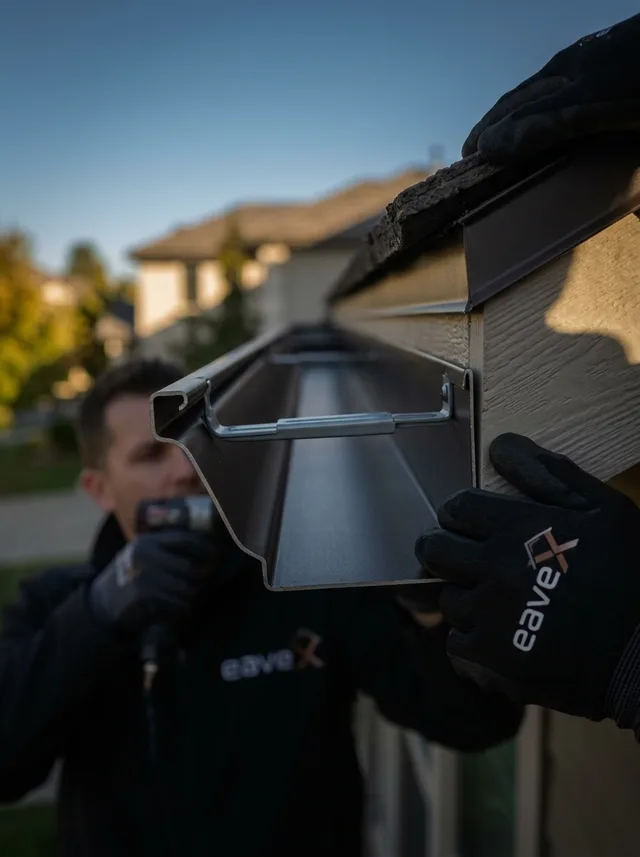
- Hidden hangers every ~24 inches hold Minnesota ice load better than old spike-and-ferrule runs.
- Outlet screens inside the drop still help even with micro-mesh — grit that gets past the surface has a second trap.
- Pitch toward downspouts must stay true; a flat run with perfect mesh still ponds and freezes.
- Install on a dry thaw day above freezing so sealant at end caps can cure. November windows are covered in Should You Install Gutter Guards in November.
EaveX fabricates and hangs systems from Albertville (5098 Main Ave NE) across the Twin Cities. We size the cover to the trough on site — we do not lock every house into one product name.
Care after the first snow
After the first real snowfall and thaw:
- Walk the yard — look for drip lines that start mid-run (ice bridge or packed outlet).
- Soft-brush dry debris off the mesh on a above-freezing afternoon. Do not chip ice with a metal shovel.
- Schedule spring gutter cleaning once night lows stay above freezing so any trough grit can be flushed.
- If micro-mesh starts holding a wet mat of needles in one valley, that is a roof-debris pattern — not a reason to rip the system off. Spot-clear the mat; check the valley metal.
Micro-mesh that “clogs” usually has surface debris sitting on top, not a filled trough. Details live in Do Micro-Mesh Gutter Guards Clog in Minnesota?.
Cost and bundling with new gutters
If the trough is cracked, pulled away, or undersized, bundling new seamless gutters with micro-mesh in one visit often costs less than two mobilizations. Market 2026 seamless install in the Twin Cities commonly runs about $8–$14 per linear foot before guards; add the guard range above when comparing quotes. Always ask whether removal, haul-away, outlets, and color match are included. Financing from 0% APR (0.00–9.99%) with GreenSky, plan 6124 can spread a same-day hang when you qualify.
Get the right cover before the next freeze
Minnesota snow does not care which brochure looked shiny in September. Choose micro-mesh when needles, grit, and ice dams are part of your winter; choose screen only when the lot is open and you accept more trough cleanouts. Call EaveX at (763) 313-8516 for a free on-site measure — we will show you both options on your actual eave, not a generic chart.
Free inspection · License BC808261 · 13+ years · 1,200+ projects · 5.0 rating